



News
15 satellites failed, but 'KID' succeeded in ISRO's PSLV-C62 mission.
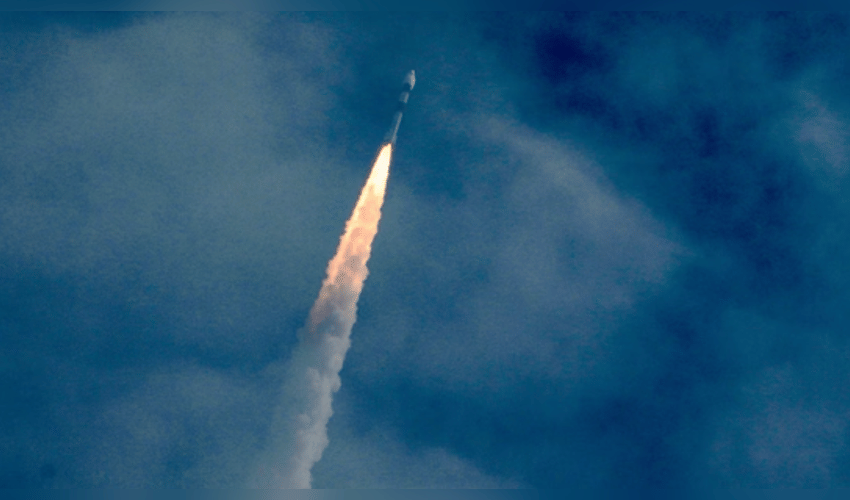

India's space ambitions suffered a blow as the Indian Space Research Organisation's (ISRO) PSLV-C62 rocket veered off course during launch, leaving 15 satellites stranded in an unusable orbit. In a silver lining, a small Spanish technology demonstrator named KID managed to separate, transmit crucial data, and survive re-entry, offering a rare bright spot in the mission's failure.
The PSLV-C62 lifted off from Sriharikota Launchpad on January 12, tasked with deploying the primary EOS-N1 hyperspectral imaging satellite—developed by DRDO for border surveillance—alongside 15 international co-passengers from nations including the UK, Thailand, Nepal, and Brazil. Initial stages proceeded nominally, but vibrations emerged late in the third stage, causing a trajectory deviation that prevented proper orbit insertion.
ISRO Chairman V. Narayanan addressed the media, attributing the issue to a "disturbance from strap-on motors" and announcing an immediate failure investigation. The 16 payloads, now in a low and decaying orbit, are presumed lost, marking the agency's second consecutive PSLV setback after PSLV-C61's third-stage failure in May 2025.
Amid the debris, Orbital Paradigm's Kestrel Initial Technology Demonstrator (KID)—a compact, football-sized re-entry capsule—proved remarkably resilient. Designed to test reusable orbital return tech, KID endured extreme 28g deceleration forces—twice the expected load—before detaching and relaying 190 seconds of telemetry data, including temperature readings from 15-30°C during atmospheric plunge. The prototype splashed down in the southern Indian Ocean, where its signal was tracked, validating the startup's rugged design for future missions. "The KID survived," noted observers, underscoring how innovative smallsats can extract value from chaotic scenarios.
This double PSLV failure spotlights potential issues in the PS3 stage of ISRO's reliable 94% success rate vehicle, raising questions for commercial launches via NewSpace India Ltd. No immediate concerns over space debris have surfaced, but the probe's findings will shape upcoming flights. Drawing parallels to NASA's post-Challenger reforms, experts see this as a pivot point for ISRO to refine its workhorse rocket. KID's success, meanwhile, spotlights the rising role of private players in re-entry innovation, akin to SpaceX's iterative Starship trials—paving the way for cost-effective space returns.



