



World
Why Pakistan Is Becoming Harder To Isolate Despite India's Diplomatic Push
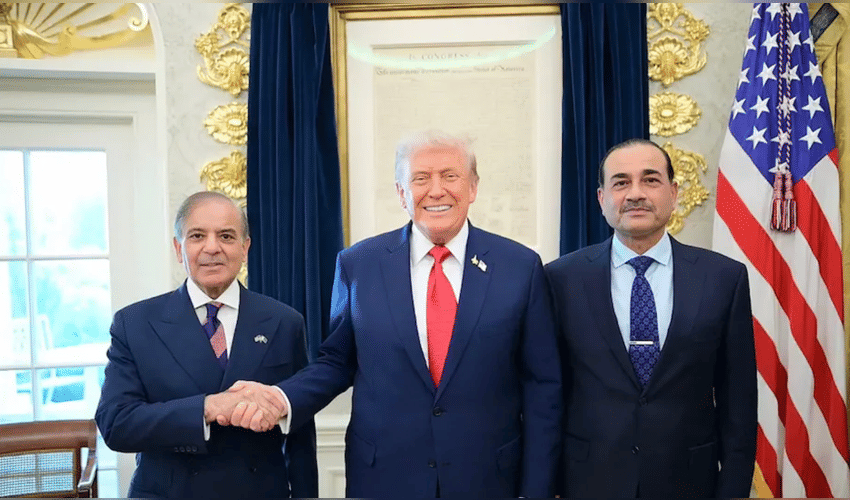

India’s efforts to limit Pakistan’s influence on the international stage are facing a complicated geopolitical reality as Islamabad continues to maintain ties with major global powers and remains involved in important regional developments. Despite economic struggles and domestic challenges, Pakistan has managed to remain diplomatically relevant, highlighting the difficulties of completely isolating a strategically located country.
For years, India has pushed a stronger global narrative against Pakistan, particularly focusing on security concerns and cross-border terrorism issues. The approach aimed to increase international pressure on Islamabad and reduce its diplomatic space. However, changing global priorities and strategic interests have allowed Pakistan to continue engaging with several influential countries. Pakistan’s geographical position remains one of its biggest advantages. Located between South Asia, China, Central Asia, and the Middle East, the country holds strategic importance for global powers looking at trade routes, security cooperation, and regional stability.
Its proximity to Afghanistan, access to the Arabian Sea, and links with energy-rich regions have kept Pakistan relevant in international calculations. Analysts say that geography often plays a major role in diplomacy, and countries with strategic locations are rarely ignored for long. China continues to be one of Pakistan’s closest partners, with economic cooperation and defence ties forming a key part of their relationship. At the same time, Islamabad has worked to maintain engagement with other countries, including the United States and Gulf nations, following a policy of balancing relationships rather than relying on a single alliance.
Pakistan has also gained attention through its involvement in regional diplomacy. Recent developments around international negotiations have highlighted Islamabad’s attempt to present itself as a useful diplomatic player. Pakistan’s role in facilitating discussions involving global powers has increased its visibility in international affairs.
The situation reflects a broader shift in global politics, where strategic interests often influence diplomatic decisions. Many countries continue relations with Pakistan because of security, economic, and regional considerations, even while raising concerns over various issues. Pakistan’s diplomatic relevance does not remove its internal challenges. The country continues to face economic pressure, political uncertainty, and security issues. Experts argue that maintaining international attention will not be enough unless Pakistan strengthens its economy and domestic institutions.
The challenge now extends beyond diplomatic pressure on Pakistan. New Delhi must also navigate a changing global environment where countries increasingly make decisions based on their own strategic interests. The evolving India-Pakistan competition shows that international influence is not shaped only by political disputes. Geography, alliances, economic opportunities, and regional importance continue to determine how countries are viewed on the world stage. While India has expanded its global partnerships and strengthened its international position, Pakistan’s continued engagement with major powers shows that diplomatic isolation remains a difficult goal in modern geopolitics.



