



News
Social Justice, Electoral Math and the Battle for Uttar Pradesh's Upper Castes
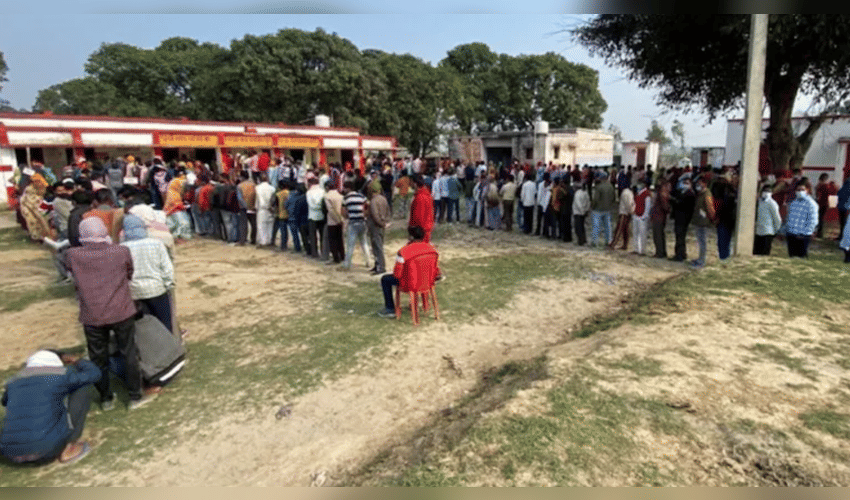

As political activity gathers pace ahead of the next Uttar Pradesh Assembly election, the debate over social justice has once again moved to the centre of the state's political discourse. However, unlike previous elections that largely focused on caste-based mobilization and reservation policies, political parties are now attempting to strike a delicate balance between expanding support among backward communities while retaining the confidence of upper-caste voters. Uttar Pradesh, India's most politically significant state with 80 Lok Sabha seats, has long been shaped by caste equations. Every election in the state is influenced by alliances built across communities, making social engineering a key component of campaign strategy.
The ruling Bharatiya Janata Party (BJP), which has enjoyed strong backing from upper-caste communities alongside significant support from non-Yadav Other Backward Classes (OBCs) and sections of Dalits, faces the challenge of preserving this broad social coalition. Political observers say the party will seek to reassure its traditional support base while continuing outreach to other social groups through welfare schemes and development initiatives.
At the same time, opposition parties are attempting to widen their own electoral base. The Samajwadi Party, traditionally associated with Yadav and Muslim voters, has increasingly tried to attract non-Yadav OBCs, Dalits and even sections of upper-caste voters by broadening its messaging around social justice, employment and governance.
The Congress, meanwhile, has also sought to revive its presence in the state by emphasizing constitutional values, inclusive development and social equity, although rebuilding its organizational strength remains an uphill task. Political analysts note that the meaning of social justice itself is evolving. While reservation and political representation remain important issues, younger voters are increasingly linking social justice with employment opportunities, quality education, transparent recruitment processes and access to government services. Concerns over competitive examinations, paper leaks and public sector recruitment have become part of the larger political conversation.
The competition for Dalit and OBC votes also remains intense. All major parties have stepped up organizational efforts and grassroots outreach as they prepare for the next electoral battle, recognizing that no single community is large enough to guarantee victory in Uttar Pradesh's complex political landscape.
Election strategists believe candidate selection, regional caste demographics, local alliances and booth-level organization will continue to play a decisive role alongside broader political narratives. Even relatively small shifts in voting patterns among key communities can significantly alter the outcome in closely contested constituencies.
With campaigning expected to intensify in the coming months, Uttar Pradesh is once again emerging as the country's most closely watched political battleground. The evolving debate around social justice, combined with changing voter priorities and caste equations, is likely to shape not only the state's electoral outcome but also influence the broader national political landscape.
Disclaimer: This image is taken from



