



Asia In News
Saudi Arabia Rejects 'Switching Sides' Claims as Riyadh Balances US Alliance and Iran Tensions
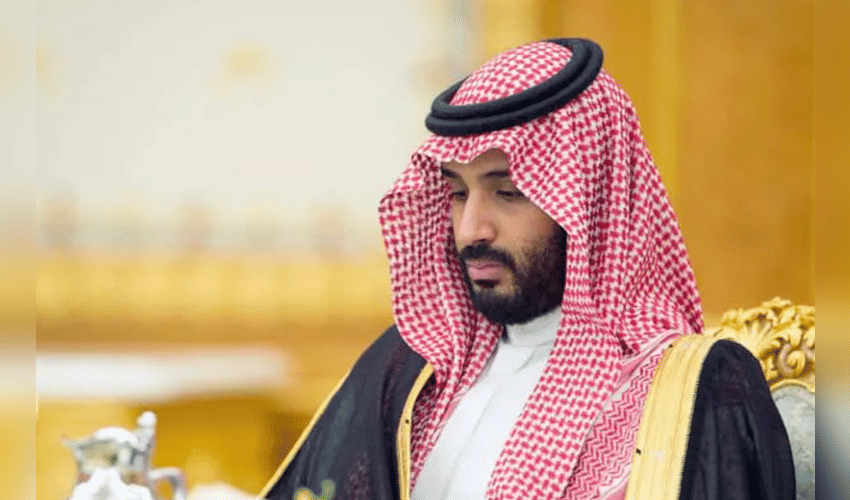

Saudi Arabia is facing growing international attention over its position in the escalating conflict between the United States and Iran, with questions emerging about whether the Gulf kingdom is moving away from Washington and adopting a softer approach toward Tehran. Saudi officials and regional analysts suggest that Riyadh is not changing alliances but following a carefully calculated strategy focused on protecting its national security, economic interests, and regional influence.
The Kingdom has historically maintained a close defence partnership with the United States while viewing Iran as a major regional competitor. But recent developments indicate that Saudi Arabia is seeking a more independent foreign policy, one that allows it to maintain ties with Washington while keeping diplomatic channels open with Tehran.
Saudi Arabia has repeatedly called for de-escalation as tensions between Washington and Tehran threaten to spill across the Gulf. Riyadh has welcomed diplomatic efforts aimed at ending military confrontation and restoring stability in the region, including efforts linked to negotiations between the United States and Iran. The speculation over a possible Saudi shift comes as the Middle East faces one of its most serious security crises in years. Rising tensions around the Strait of Hormuz, a vital route for global energy shipments, have increased concerns among Gulf nations about the economic consequences of a wider conflict.
For Saudi Arabia, avoiding a prolonged war is a major priority. The Kingdom is investing heavily in economic diversification under its Vision 2030 programme, aiming to expand sectors such as tourism, technology, and infrastructure. A regional conflict could threaten these plans by damaging investor confidence and disrupting energy markets.
At the same time, Saudi Arabia’s relationship with Iran remains complicated. While Riyadh restored diplomatic ties with Tehran in recent years and has supported dialogue, deep disagreements over regional influence and security concerns continue to exist. Saudi Arabia has previously accused Iran of supporting activities that threaten Gulf security, including attacks targeting Saudi territory and critical infrastructure. The Kingdom has said it reserves the right to defend its security and sovereignty against any threats.
Despite speculation about a possible realignment, the United States remains a key security partner for Saudi Arabia. Defence cooperation, military support, and strategic ties between the two countries continue to play an important role in Riyadh’s security calculations. Analysts say Saudi Arabia’s current approach reflects a broader change in Middle Eastern diplomacy. Instead of relying exclusively on traditional alliances, Gulf countries are increasingly trying to maintain relationships with multiple global powers while prioritising their own national interests.
The Kingdom’s position appears to be one of strategic balancing rather than choosing between the United States and Iran. Riyadh wants stability in the region, continued security cooperation with Washington, and reduced tensions with Tehran. As the US-Iran confrontation continues, Saudi Arabia’s diplomatic moves will remain closely watched. The Kingdom’s challenge will be maintaining its security partnerships while avoiding involvement in a conflict that could reshape the political and economic landscape of the Middle East.



