



Technology
Rocket in Space to Serve People on the Ground: Space Technology Takes a New Direction
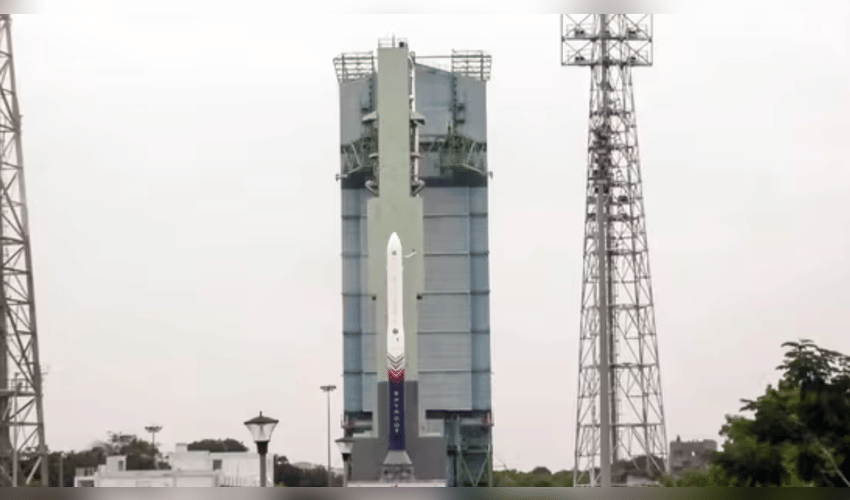

Rockets heading into space are increasingly becoming tools designed not just for exploration but also for improving life on Earth. With the rapid growth of satellite technology, space missions are now focused on delivering practical services such as internet connectivity, communication support, weather monitoring, and emergency assistance to people on the ground.
For decades, rockets were mainly associated with scientific discoveries, defence programmes, and ambitious missions beyond Earth. However, the modern space industry is shifting its focus toward creating solutions that directly benefit communities. A rocket’s journey may last only a few minutes, but the satellites it carries can continue operating for years and provide services used by millions of people worldwide.
One of the biggest changes in the space sector is the rise of satellite-based communication. Space agencies and private companies are developing advanced satellite networks that can provide high-speed internet access to remote and underserved regions. These systems are expected to play an important role in connecting rural areas, supporting online education, enabling telemedicine, and improving access to digital services.
India is also expanding its role in this changing space landscape. The country’s space programme has traditionally focused on using satellites for national development, including weather forecasting, agriculture monitoring, disaster management, and communication services. With the entry of private space companies, India’s space ecosystem is now witnessing greater innovation in rocket development, satellite manufacturing, and commercial space solutions.
Beyond communication, satellites launched by rockets are becoming valuable tools during natural disasters. When floods, cyclones, earthquakes, or other emergencies damage traditional communication networks, satellites can provide critical information and help authorities coordinate rescue and relief operations. Satellite images also assist governments in tracking environmental changes and planning responses to climate-related challenges.
The agricultural sector is another area benefiting from space technology. Earth observation satellites help monitor crop conditions, rainfall patterns, soil changes, and water availability. This information allows farmers and policymakers to make better decisions and improve resource management. The growing importance of space-based services has also created a new race among countries and companies to develop affordable launch systems and advanced satellite networks. Unlike earlier space competition, where success was measured mainly by reaching orbit or exploring new planets, the current focus is increasingly on how space technology can solve everyday problems.
The expansion of space activities also brings challenges. Increasing numbers of satellites in orbit raise concerns about space debris, orbital congestion, and the need for responsible management of outer space. Scientists and policymakers are working to ensure that future space growth remains safe and sustainable.
As technology advances, rockets are expected to become more than just vehicles for space missions. They are becoming a bridge between outer space and everyday life, carrying systems that improve communication, strengthen disaster response, support industries, and help communities around the world. The future of space exploration may not only be about travelling farther into the universe but also about bringing more benefits of space technology closer to people on Earth.



