



News
Police face a major challenge in the Delhi child trafficking probe as the rescued newborns' parents remain untraced
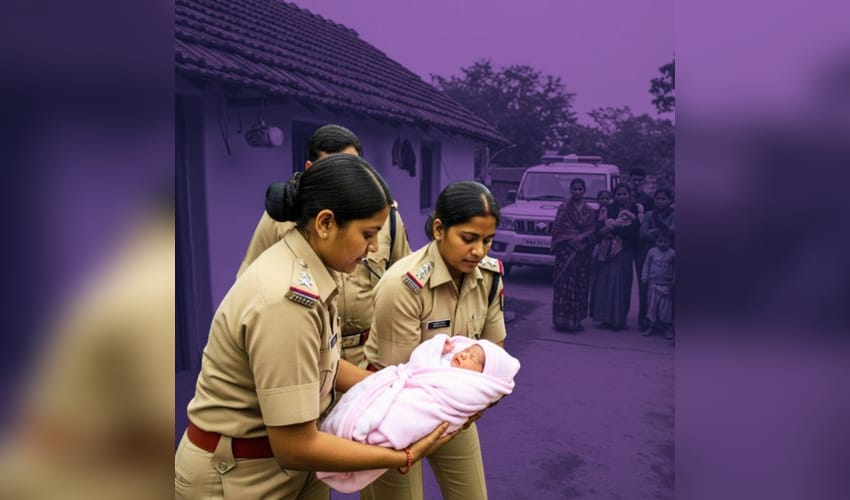

The investigation into a major child trafficking racket in Delhi has reached a critical stage, with police facing one of their toughest challenges yet—identifying the biological parents of several rescued newborns. While law enforcement agencies have made significant progress by dismantling the alleged trafficking network and rescuing multiple infants, the absence of reliable records has slowed efforts to reunite the babies with their families.
The case first came to light after Delhi Police uncovered an alleged interstate child trafficking syndicate that is believed to have operated through a private hospital in Rohini. Investigators claim the network purchased newborns from financially distressed families and illegally sold them to childless couples across several states for substantial sums of money. The operation led to the arrest of multiple suspects, including the hospital owner, alleged middlemen, transporters and buyers, while several newborns were rescued from different locations.
Although the crackdown has been widely viewed as a major breakthrough, the investigation has now entered a far more complicated phase. According to officials, tracing the biological parents of the rescued infants has proved extremely difficult because many hospital records are either incomplete or missing. Without proper documentation, establishing the identity of each child and reconnecting them with their families becomes a lengthy and sensitive process.
Police teams have expanded their investigation to states such as Rajasthan and Gujarat, where the trafficking network is suspected to have sourced many of the newborns. Investigators have identified several couples whose babies were reported missing, but DNA testing and verification have so far failed to establish links with the rescued infants. Officials, however, say they have developed fresh leads and are hopeful that at least some of the children may soon be reunited with their biological parents.
The case has also exposed the darker side of illegal adoption networks operating outside the country's legal framework. Authorities believe traffickers exploited the desperation of economically vulnerable families while simultaneously targeting couples seeking to adopt children quickly. In some instances, investigators suspect prospective parents may have been misled into believing they were participating in legitimate medical or adoption procedures, making the investigation even more complex.
Child rights experts say such cases highlight the importance of strengthening India's legal adoption system and increasing awareness about authorized adoption channels. They argue that transparent procedures, stricter monitoring of healthcare institutions and better coordination between states can significantly reduce opportunities for trafficking networks to operate.
The rescued newborns are currently under the care of the appropriate child welfare authorities while police continue collecting evidence and conducting forensic examinations. Their immediate priority remains ensuring the safety, health and rehabilitation of the infants before any decision regarding custody is taken. Every child must undergo proper legal verification before being reunited with family members or placed through authorized adoption procedures.
Investigators are also examining the financial trail of the alleged trafficking syndicate to determine how payments were made and whether additional individuals or organizations were involved. Digital records, mobile communications and banking transactions are expected to play a crucial role in identifying the full extent of the network.
Beyond the ongoing investigation, the case has once again drawn national attention to the broader issue of child trafficking in India. Experts believe stronger surveillance, improved birth registration systems, regular audits of private healthcare facilities and faster interstate information sharing can help prevent similar crimes in the future. Public awareness also remains essential, particularly among vulnerable communities that may become targets for traffickers.
As the investigation progresses, authorities remain optimistic that continued forensic analysis and fresh intelligence will help identify the remaining biological parents and expose every individual connected to the alleged racket. While the rescue of the infants marked an important victory for law enforcement, ensuring that each child is safely reunited with the right family remains the investigation's most significant and emotionally important objective.
Disclaimer: This image is taken from Thelogicalindian



