



World
PoK Unrest Escalates as Economic Protests Turn Deadly Amid Security Crackdown
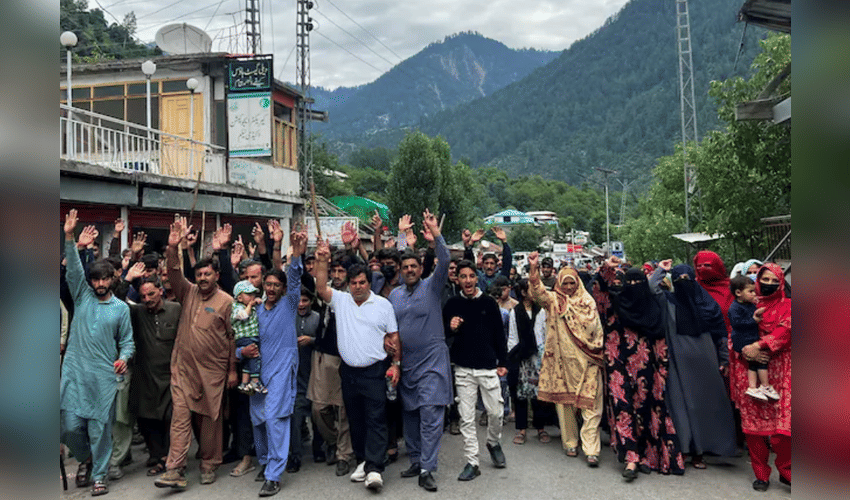

A fresh wave of unrest has gripped Pakistan-occupied Kashmir (PoK), where protests that began over rising prices, expensive electricity and shortages of essential commodities have spiralled into a wider movement against the region's administration. The demonstrations have reportedly turned violent in several areas after security forces moved to disperse crowds, leading to casualties, injuries and arrests. The protests, initially driven by demands for affordable electricity, subsidised wheat flour and relief from inflation, have now evolved into a broader expression of public anger over governance, political representation and the region's worsening economic conditions.
Residents in several towns, including Muzaffarabad and Rawalakot, have taken to the streets in recent weeks, claiming that despite PoK being home to major hydropower projects, local communities continue to face high electricity bills and frequent power shortages. Protesters have also voiced concerns over the rising cost of living, unemployment and what they describe as inadequate government response to their grievances.
As demonstrations intensified, security personnel reportedly launched operations to restore order. Local media reports and rights activists have alleged that live ammunition, tear gas and mass detentions were used during the crackdown. Several people are reported to have lost their lives, while dozens sustained injuries. Authorities, however, have defended their actions, saying measures were necessary to maintain law and order.
The Joint Awami Action Committee (JAAC), one of the leading groups behind the movement, has accused the administration of suppressing peaceful protests instead of engaging in dialogue. The organisation has called for lower electricity tariffs, affordable food supplies, greater transparency in governance and reforms aimed at strengthening local representation.
The developments have also drawn international attention. Human rights organisations have urged an impartial investigation into allegations of excessive use of force against demonstrators and have called on authorities to respect the right to peaceful protest. India has also reacted to the developments, with the Ministry of External Affairs criticising Pakistan's handling of the protests. New Delhi has alleged that legitimate public grievances are being met with repression instead of meaningful engagement. Pakistan has rejected the criticism, maintaining that its actions are aimed at preserving public order and ensuring security.
Political analysts say the unrest reflects deeper structural issues rather than a temporary economic dispute. While soaring prices and electricity costs triggered the protests, the movement has increasingly highlighted concerns over governance, accountability and the lack of political empowerment among residents. Observers believe that unless authorities address the underlying economic and administrative challenges through dialogue and policy reforms, public dissatisfaction could continue to grow. For many people on the streets, the protests are no longer just about the price of bread or electricity—they have become a wider call for accountability, dignity and better governance. With tensions still high across parts of Pakistan-occupied Kashmir, the coming weeks are expected to be crucial in determining whether the crisis moves towards reconciliation or further confrontation.



