



News
PoK Protests Explained: Why Some Residents Want India to Step In
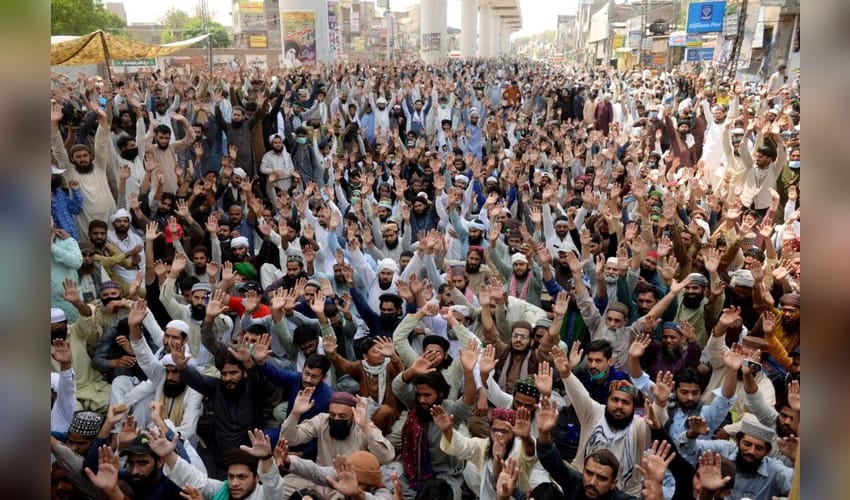

Fresh protests in Pakistan-occupied Kashmir (PoK) have once again drawn international attention, with demonstrations highlighting long-standing grievances over governance, economic hardship, and political representation. While the movement is primarily focused on local issues, some activists and political voices have also appealed to India and the international community to take note of the situation, bringing the region back into the geopolitical spotlight.
The current wave of unrest did not emerge overnight. Public dissatisfaction has been building for several years over rising electricity tariffs, inflation, unemployment, and what many residents describe as inadequate development despite the region's natural resources. Protest groups, including the Joint Awami Action Committee (JAAC), have organised demonstrations demanding lower utility costs, better governance, and greater political accountability. More recently, arrests of protest leaders and allegations of police action against demonstrators have intensified tensions, leading to larger rallies across several towns.
Another issue adding fuel to the protests is political representation. A section of residents has objected to the constitutional arrangement under which 12 seats in the regional assembly are reserved for migrants from the former princely state of Jammu and Kashmir who now live in different parts of Pakistan. Critics argue that this system reduces the influence of local voters, while Pakistani authorities maintain that the arrangement is rooted in the region's constitutional framework. The disagreement has become one of the major flashpoints in the ongoing agitation.
Amid the unrest, a few activists from PoK have publicly appealed to India, particularly Prime Minister Narendra Modi, to raise concerns over alleged human rights violations and the treatment of protesters. Others have called for moral or diplomatic support rather than direct involvement. These appeals have attracted significant media attention, but they should not be interpreted as representing the views of the entire population. The protests involve a wide range of participants with differing political opinions and objectives.
India has consistently maintained that the entire region of the former princely state of Jammu and Kashmir, including Pakistan-occupied Kashmir, is an integral part of India. At the same time, New Delhi has criticised reports of violence against protesters and urged Pakistan to respect the rights and welfare of people living in the region. Pakistan, on the other hand, has defended its actions and has often accused external actors of attempting to influence developments in the territory.
Beyond the political narrative, the protests also reflect everyday economic concerns. Residents have repeatedly voiced frustration over the rising cost of living, limited employment opportunities, electricity pricing, and shortages of essential commodities. Analysts note that these socioeconomic issues have played a major role in sustaining public discontent, making the movement about more than just constitutional or geopolitical questions.
The situation in PoK remains fluid, and developments are being closely watched across South Asia. Whether the protests lead to policy changes, political dialogue, or further confrontation will depend largely on how the authorities respond to the demands of demonstrators. For now, the unrest serves as a reminder that economic challenges, governance issues, and political representation remain central concerns for many people living in the region.
As events continue to unfold, experts believe the focus should remain on verified information rather than speculation. While individual activists may call for support from India or other international stakeholders, the broader movement encompasses multiple demands and viewpoints. Understanding that complexity is essential for anyone seeking to follow one of the region's most closely watched developments.
Disclaimer: This image is taken from Pakistantoday



