



Asia In News
Pakistan's worsening petrol crisis highlights major administrative shortcomings in the country's fuel management system.
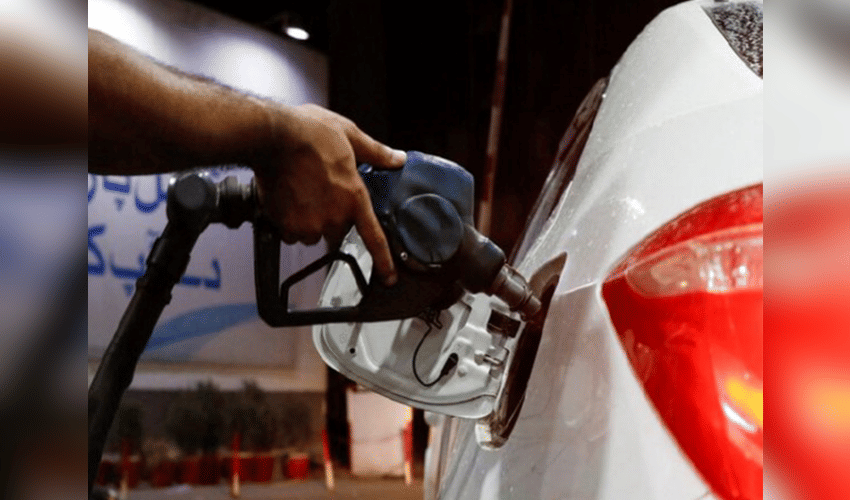

Residents of Quetta are facing growing difficulties as a worsening petrol shortage has severely disrupted everyday life, revealing significant weaknesses in the provincial administration’s handling of essential fuel supplies. Long lines have appeared outside the few fuel stations still operating, while many petrol pumps have halted sales after running out of stock, according to ARY News.
The crisis has left motorists stranded and commuters increasingly frustrated, with queues of cars, motorcycles, and heavy vehicles extending for long distances at the limited stations continuing to provide fuel. Many residents said that even though they are prepared to pay the official rate, obtaining petrol has become extremely difficult, forcing them to wait for hours.
Public frustration has intensified as citizens question why authorities failed to foresee and address the shortage before it worsened. Commenting on the issue, Mehar Ullah Badini acknowledged the crisis and stated that the widespread sale of illegally imported Iranian petrol across the city had disrupted the regular fuel distribution network. He added that the administration had contacted petrol pump owners and taken urgent steps to respond to the situation.
Badini also said that fuel shipments to Quetta had been increased and expressed hope that normal supplies would soon return. However, many residents remain doubtful, saying repeated official assurances have done little to reduce the hardships being faced by the public. The shortage comes amid rising prices of Iranian fuel in Balochistan. Traders reported that smuggled Iranian petrol, which previously sold for around Rs170–180 per litre, has now risen to nearly Rs200–210 per litre in several border and coastal areas, especially in Gwadar District. Fuel dealers blamed the increase on restrictions affecting commercial activities in the Kuntani Hor border region, an important route used for transporting smuggled goods.
Disclaimer: This image is taken from Reuters.



