



Economy
Pakistan's tax system is straining formal businesses and driving many to the edge of collapse.
Published On Thu, 28 May 2026
Yashveer Sethi
7 Views

According to Dawn, Zubair Ghangra has criticised the Federal Board of Revenue’s withholding and advance tax policies, saying they are severely affecting Pakistan’s Fast-Moving Consumer Goods (FMCG) industry, particularly the food sector. He argued that the existing tax structure has become a significant barrier to industrial expansion and long-term business viability.
Ghangra explained that the current tax collection system is creating disruptions across the supply chain, slowing business operations and placing a heavier burden on formal enterprises. He noted that manufacturers, wholesalers and distributors are bearing most of the tax pressure because a large segment of Pakistan’s retail market remains undocumented. With thousands of retailers operating outside the formal economy, compliant businesses are carrying the majority of the tax responsibility, leading to rising operating costs while undocumented traders continue functioning with little oversight.
He further stated that the imbalance is increasing financial stress on registered companies already dealing with inflation and weak consumer demand. Excessive documentation and compliance requirements, he said, have added to the difficulties faced by FMCG and food businesses by complicating cash flow management and increasing administrative burdens, especially for companies working with slim profit margins.
Ghangra warned that these added costs are eventually transferred to consumers, contributing to higher prices and broader economic instability. He also criticised the taxation framework for discouraging formal business activity while indirectly enabling the growth of the undocumented economy. According to him, registered businesses continue to face mounting regulatory and financial pressure, whereas many unregistered traders remain outside the tax net. He urged authorities to address these structural issues by expanding the tax base and reforming the current system instead of repeatedly imposing additional burdens on documented sectors.
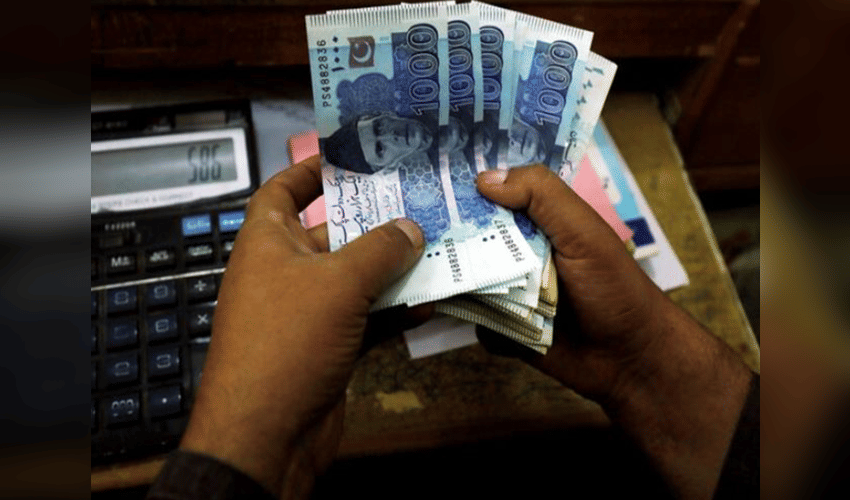
Disclaimer: This image is taken from Reuters.



