



Asia In News
Pakistan's Governance Shortcomings Force Residents to Prepare for Another Monsoon Emergency
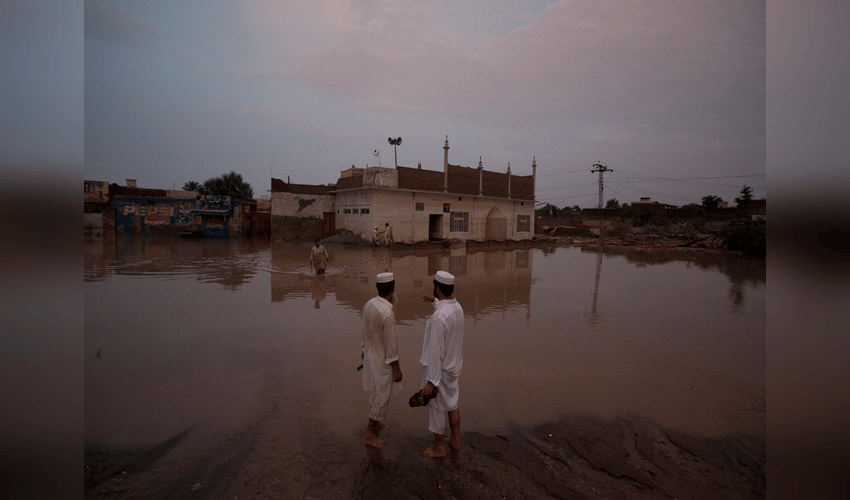

Residents of Wah Model Town say they are once again preparing for severe disruption as the monsoon season exposes long-standing problems with the area's civic infrastructure. Flooded streets, overflowing drains and sewage mixing with rainwater have become an annual ordeal, with locals accusing authorities of years of neglect and poor urban planning. Instead of bringing relief from the summer heat, seasonal rains now leave thousands of families dealing with unsafe and unhygienic conditions, according to Dawn.
Located along the historic Grand Trunk (N-5) Highway and administered by the Wah Cantonment Board, Wah Model Town has developed into an important residential and commercial centre. Despite its rapid growth, residents say drainage and sewerage facilities have failed to keep pace with expanding development.
People living in the area complain that stormwater drains and sewer lines are frequently blocked or inadequately maintained, allowing even moderate rainfall to inundate roads and residential neighbourhoods within a short time. Following the latest spell of rain, several streets remained underwater after clogged drainage channels were unable to carry away the excess water, causing traffic disruptions, limiting pedestrian access and creating additional challenges for schoolchildren and emergency services.
Community worker Abdul Saboor said the situation is made worse by cattle farms in the nearby Khanabad locality. During heavy downpours, runoff reportedly carries animal waste onto surrounding roads and residential areas, worsening sanitation and increasing concerns over environmental pollution and public health risks. Saboor added that these problems extend across both Phase I and Phase II of Wah Model Town, where hundreds of homes, shops and commercial establishments have been built over the past three decades, Dawn reported.
Another local representative, Ulfat Hussain, said the roots of the problem go back to the early 1990s, when the privately developed housing scheme was established within Wah Cantonment. He claimed that after marketing and selling residential and commercial plots, the developer gradually stepped away from maintaining municipal services, leaving residents uncertain about which authority is responsible for managing essential infrastructure. Although residents continue to pay property taxes, transfer charges and other government levies, many say the standard of civic services has remained poor, with little visible improvement despite repeated complaints, according to Dawn.



