



Economy
Pakistan's economy stays strained as heavy short-term borrowing drives it further into a mounting debt trap.
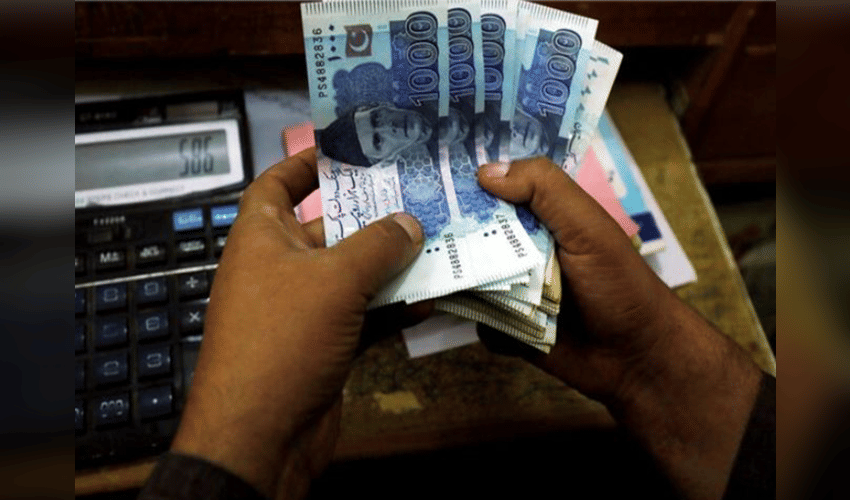

Pakistan’s vulnerable external financing structure continues to threaten economic stability, with policymakers warning that heavy reliance on foreign borrowing leaves the country susceptible to repeated financial crises. Business leaders and economists note that although foreign exchange reserves have improved recently, they do not address the deeper structural issues within the debt repayment schedule, according to The Express Tribune.
Reports indicate that a significant portion of Pakistan’s debt consists of short-term obligations, which restricts the government’s capacity to withstand economic shocks. Pakistan Industrial and Traders Associations Front Vice Chairman Raja Waseem Hassan urged officials to urgently negotiate repayment extensions with allied nations. He warned that without longer repayment periods, the country will continue to face recurring balance-of-payments pressures. As of September 2025, Pakistan’s external debt and liabilities were approximately $134.5 billion, with major repayments due soon. While reserves exceeded $21 billion in January 2026, analysts emphasize that much of this increase is due to multilateral assistance and short-term bilateral support, while future repayment commitments remain significant.
Hassan acknowledged that renewed diplomatic outreach to Gulf countries, potential investments from Saudi Arabia and the UAE, and improving relations with the United States are positive developments. However, he cautioned that geopolitical support cannot replace strong domestic economic fundamentals. He stressed that long-term stability depends on improved competitiveness, higher productivity, and reliable financial buffers. Comparing Pakistan to neighboring economies that successfully negotiated during global trade tensions, he pointed out that Pakistan’s limited export base and slow economic expansion have reduced its bargaining power. Exports remained around $32 billion in FY25, still insufficient to cover import needs despite restrictions, The Express Tribune reported.
Senior economist Saleem Ahmed shared similar concerns, stating that reliance on loan rollovers and foreign deposits cannot serve as a permanent solution. He emphasized that managing debt maturities must be paired with structural reforms in taxation, energy pricing, and industrial productivity. With economic growth expected to remain below five percent and credit conditions tight, businesses are hesitant to expand. Both experts called for urgent measures to widen the tax base, reduce losses in the energy sector, boost value-added exports, and attract stronger foreign investment to ensure sustainable economic stability.



