



Asia In News
Pakistan: PECA's growing control raises concerns as press freedom weakens and dissent is increasingly restricted
Published On Fri, 01 May 2026
Ishita Kulkarni
92 Views
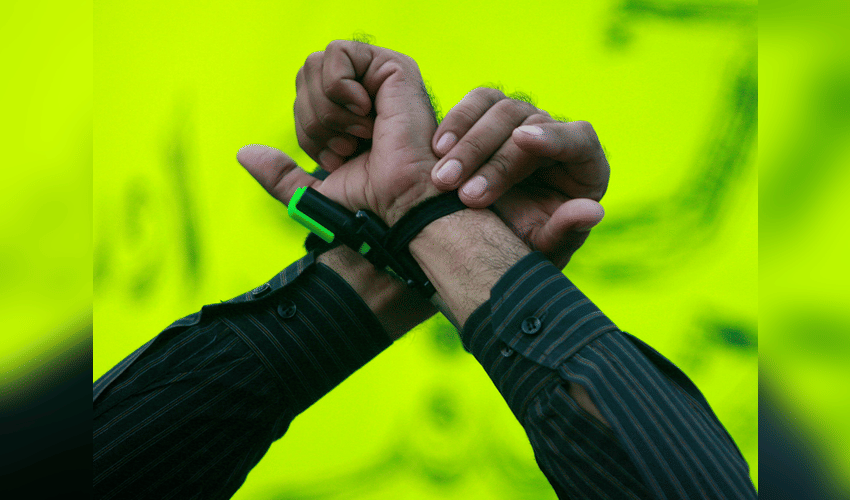

A concerning report released ahead of World Press Freedom Day on May 3 by Freedom Network has raised serious alarms about the state of media independence in Pakistan, warning that increasing reliance on cybercrime laws is putting press freedom at risk. The report, titled “Regulatory Repression of Freedom of Expression — Legal Controls and PECA Undermine Media and Journalism in Pakistan,” examines how recent amendments and broader application of the Prevention of Electronic Crimes Act (PECA) are placing mounting pressure on journalists. As reported by Dawn, many media professionals are now resorting to self-censorship to avoid potential legal action.
According to the findings, the expanded use of PECA has created an environment where fear of legal consequences, defamation cases, regulatory pressure, and even internet disruptions are restricting independent journalism. While authorities justify these measures as efforts to combat misinformation and online hate speech, the report argues that they often come with increased surveillance and selective enforcement, raising serious concerns about misuse of power.
A key concern highlighted in the report is the unclear and loosely defined terminology used for phrases such as “fake” or “fabricated” news. This lack of clarity, it says, allows for broad interpretation, making it easier to blur the line between legitimate reporting and criticism of state institutions. As a result, journalists who challenge official narratives are more vulnerable to legal action.
Between April 2025 and March 2026, at least 129 violations against media workers were documented, according to Dawn. These included two killings, several threats to life, 58 legal cases—many filed under PECA—as well as incidents of harassment, physical assaults, and abductions. The report notes that provinces like Punjab and Khyber Pakhtunkhwa remain particularly dangerous for journalists, while fatal cases in Sindh and Balochistan further underline the widespread risks across the country.
The findings also reference legal actions taken against rights defenders such as Imaan Mazari and Hadi Ali Chattha, suggesting that imprisonment and prosecution are increasingly being used as tools to discourage dissent and critical expression. The report paints a troubling picture of shrinking media space in Pakistan, where legal frameworks meant to regulate cyberspace are, according to critics, increasingly being used to limit free expression and silence opposing voices.
Disclaimer: This image is taken from Reuters.



