



Economy
Pakistan LPG Crisis Deepens as Pricing Dispute Raises Fears of Nationwide Supply Disruption
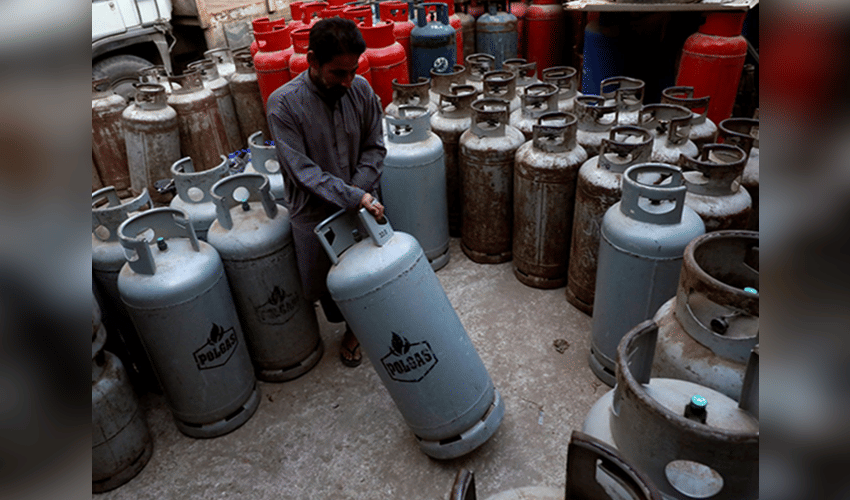

Islamabad: Pakistan’s energy crisis is facing fresh uncertainty as a dispute over liquefied petroleum gas (LPG) pricing has raised concerns about a possible shortage across the country. LPG industry representatives have warned that unresolved issues between suppliers and authorities could disrupt the supply chain and create difficulties for millions of consumers who rely on the fuel for everyday needs.
The warning comes at a time when Pakistan is already dealing with major energy challenges, including rising fuel costs, supply constraints, and pressure on household budgets. LPG has become an essential source of energy for a large section of the population, particularly in areas where natural gas connections are either unavailable or unreliable.
Industry stakeholders have claimed that disagreements over the pricing mechanism are affecting the smooth operation of the LPG market. Importers and distributors argue that current policies have increased uncertainty for businesses, making it difficult to maintain stable supplies while managing rising costs.
The LPG Importers Association of Pakistan has urged the government to step in and resolve the dispute before it develops into a wider crisis. The association has warned that delays in addressing pricing concerns could impact imports, distribution networks, and availability of LPG cylinders in different parts of the country.
Consumers are likely to bear the impact if the situation worsens. Any reduction in supply could push market prices higher, increasing financial pressure on households already struggling with inflation. Small businesses, restaurants, and commercial users that depend heavily on LPG could also face higher operating costs.
Pakistan’s energy sector has repeatedly faced difficulties due to its dependence on imported fuels and exposure to global market fluctuations. Currency pressures, international energy prices, and supply chain challenges have often contributed to instability in domestic fuel markets. Energy experts believe that a long-term solution requires a transparent pricing system, better storage facilities, and stronger supply management. A stable LPG market would not only protect consumers from sudden price shocks but also provide greater confidence to importers and distributors.
The government is now under pressure to bring industry representatives and regulators together to find a solution. A timely agreement could help prevent shortages and maintain uninterrupted LPG supplies, while failure to resolve the dispute may deepen Pakistan’s ongoing energy challenges. For millions of Pakistani households that depend on LPG for cooking and heating, the outcome of the current dispute will be closely watched in the coming days.



