



News
MCD Proposes Five-Fold Penalty for Toll Tax Evasion in Delhi; Defaulting Vehicles May Be Impounded
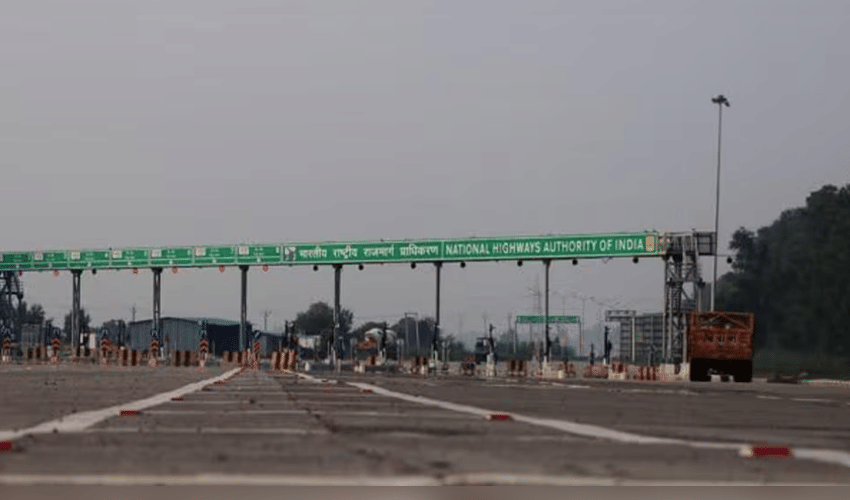

The Municipal Corporation of Delhi (MCD) has proposed stricter penalties for commercial vehicles evading toll tax while entering the national capital. Under the draft Delhi Municipal Corporation (Toll Tax) Amendment Bye-Laws, 2026, offenders could face a penalty of five times the applicable basic toll tax for each instance of evasion. The proposed rules also provide for electronic notices, a 72-hour payment window and the possible detention or impounding of vehicles belonging to defaulters.
The civic body has invited objections and suggestions from the public on the proposed amendments, with November 30, 2026, set as the deadline for submissions. The consultation process will allow transport operators, vehicle owners and other stakeholders to raise concerns before the amendments are finalised. A major feature of the proposed changes is the introduction of a technology-driven toll collection mechanism using Automatic Number Plate Recognition (ANPR) cameras and Radio Frequency Identification (RFID) technology. The system is intended to identify commercial vehicles entering Delhi and automatically verify their toll payment status, reducing dependence on traditional toll collection booths.
Under the proposed framework, vehicle owners found evading toll payments will receive electronic notices directing them to clear the outstanding amount within 72 hours. Failure to comply could trigger further recovery proceedings, including the issuance of an electronic warrant of distress. Authorities would then be empowered to intercept, detain or impound the defaulting vehicle in accordance with the prescribed procedure.
The proposed five-fold penalty is expected to significantly increase the financial consequences of toll evasion. For instance, a vehicle attracting a basic toll of ₹100 could face a penalty of ₹500, apart from the original unpaid toll and other applicable charges. Similarly, a heavy commercial vehicle with a basic toll of ₹2,000 could attract a penalty of ₹10,000 for a single violation. The draft also proposes an annual increase of up to 5 per cent in toll rates, subject to the corporation's approval. However, the current proposal does not itself introduce an immediate revision in the existing toll rates.
The MCD's proposed amendments also clarify the role of private agencies in the new toll collection system. Private service providers may be involved in installing and operating electronic equipment, processing transactions and identifying cases of non-payment. However, enforcement powers, including vehicle detention and impounding, will remain with the MCD Commissioner and authorised municipal officials. Certain categories of vehicles, including ambulances, fire-fighting vehicles, police vehicles, defence vehicles and hearses, are expected to continue receiving toll tax exemptions under the proposed framework.
The move is part of Delhi's broader effort to modernise toll collection through a barrier-free electronic system. By reducing the need for vehicles to stop at toll booths, the MCD expects to minimise traffic congestion at the city's entry points and improve the efficiency of toll revenue collection. The proposed measures could have a significant impact on commercial transport operators, particularly those regularly moving goods into the national capital. Transport companies may need to ensure that their electronic toll payment arrangements, RFID tags and vehicle registration details remain updated to avoid payment disputes and penalties.
Disclaimer: This image is taken from Hindustan Times.