



Asia In News
Japan's election sweep gives Takaichi the mandate to advance tax cuts.
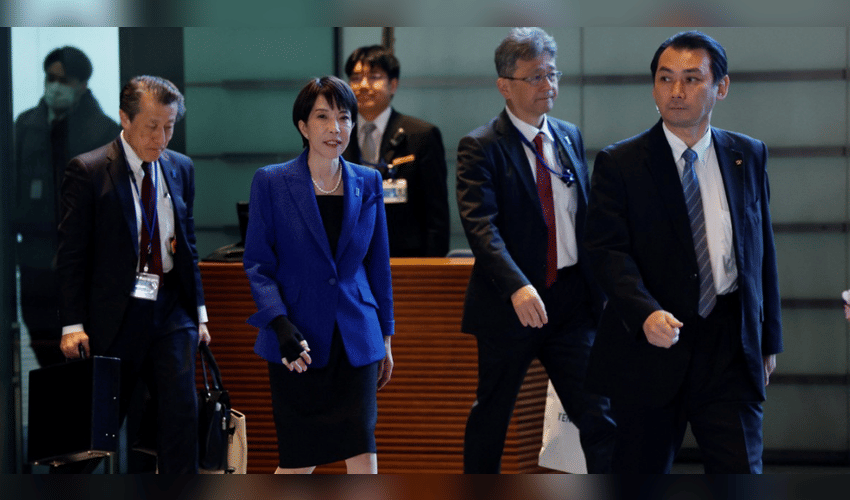

Japanese Prime Minister Sanae Takaichi is set to face scrutiny over her promised tax cuts and spending initiatives on Monday (Feb 9) following her historic election victory, which has boosted expectations that she could push through stimulus measures that have unsettled financial markets. Takaichi’s ruling Liberal Democratic Party (LDP) achieved a decisive win in Sunday’s election, aided by her pledge to suspend the eight percent food sales tax for two years — a plan she has called her “long‑cherished dream.”
Investors, however, remain wary about how Japan, already the most indebted developed nation, would fund the initiative. The uncertainty has triggered a selloff in government bonds and weakened the yen to historic lows against major currencies. Some analysts suggested that her strong mandate might allow her to scale back the plan, as opposition parties advocating even larger tax cuts were soundly defeated. But Takaichi dismissed this idea in several brief TV interviews on Sunday, affirming her intent to act quickly on the LDP’s promise.
Her strengthened position also diminishes resistance from fiscal conservatives within the party, analysts say. Takaichi is expected to hold her first major post-election press conference on Monday. “While some LDP members remain cautious, the election outcome raises the likelihood of a consumption tax cut,” said Ryutaro Kono, chief Japan economist at BNP Paribas. “The premier has repeatedly criticized past fiscal policy as too restrictive and clearly favors overhauling the system dominated by the finance ministry and party experts.”
Aware of the financial impact, Takaichi has emphasized that the tax cut will be temporary and has pledged to maintain responsible fiscal management. Following the LDP’s win, Japanese stocks rose, government bonds fell, and the yen regained some ground, reflecting market optimism that decisive fiscal action is now possible. Government spokesperson Minoru Kihara noted that Japan is monitoring foreign exchange markets closely due to concerns about rapid currency fluctuations.
The key challenge remains funding the tax suspension, which could cost roughly five trillion yen (S$40.55 billion) annually, about the size of Japan’s education budget. Takaichi has ruled out issuing new debt and offered few specifics on alternative sources, suggesting that cross-party discussions on social welfare and taxation will determine the details. Previous hints about tapping non-tax revenues have drawn attention to Japan’s US$1.4 trillion foreign exchange reserves, though heavy use could spark fears of selling US Treasury holdings, potentially unsettling markets and straining relations with Washington.
Prolonged uncertainty over funding could trigger further bond market selloffs. Rising government bond yields would increase the cost of servicing Japan’s massive debt, which is roughly double the size of its economy, and could weaken the yen further, raising import costs and potentially offsetting the benefit of tax cuts for households. Shinichi Ichikawa, senior fellow at Pictet Asset Management Japan, said, “She may have won the public mandate, but not the market’s yet. Concerns over finances and a weaker yen could push up food prices, which might hurt her popularity.”
Since taking office in October, Takaichi has already moderated earlier plans for large-scale spending and tax cuts to avoid market disruption. Despite the election victory, she appeared serious and measured in post-election interviews, reflecting awareness of the delicate balance between delivering on promises and maintaining market stability. Asked why she looked so stern after a landslide win and how she would take responsibility if her administration failed, she responded sharply: “It’s pretty mean to ask that of someone who’s about to give it everything.”



