



World
Iranian Foreign Minister Araghchi stated at the UN that defensive measures will continue for as long as they are necessary.
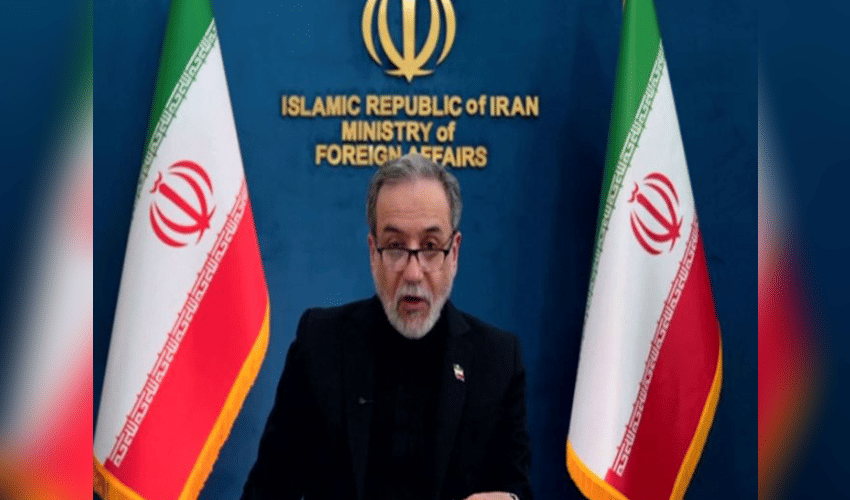

Iranian Foreign Minister Seyyed Abbas Araghchi on Friday condemned the United States and Israel for strikes on Iran’s civilian infrastructure, highlighting the attack on Minab Elementary Girls’ School that reportedly killed more than 160 people. He described the incident as a war crime and called on the international community to unite against what he termed injustice toward Iran, emphasizing that the country would continue to defend itself for as long as necessary.
Speaking virtually at a UN debate on the school strike, Araghchi warned that silence and inaction in the face of such incidents would only lead to greater insecurity and further violations of rights. He said the credibility of the United Nations and the broader human rights system was at risk, urging member states to hold those responsible accountable.
While stressing that Iran has not sought conflict, he stated that the nation remains determined to protect itself against ongoing aggression. He characterized the school attack as deliberate, arguing that it occurred despite the advanced technological capabilities available to the US and Israel, making it inexcusable and impossible to ignore.
Araghchi also pointed to a wider pattern of strikes on civilian targets over the past 27 days, including emergency responders, healthcare facilities, water sources, residential areas, and educational institutions. He claimed that over 600 schools have been damaged or destroyed, with more than 1,000 students and teachers killed or injured.
He added that the scale and nature of the attacks go beyond typical definitions of war crimes, alleging that the targeting patterns and accompanying rhetoric suggest an intent to commit genocide. Describing the situation as an unjust war driven by arbitrary motives, he urged global action, warning that the core principles of the United Nations are at stake.
His remarks come amid continued US-Israeli strikes on key Iranian infrastructure. Earlier, US President Donald Trump indicated a possible easing of operations, noting that Iran had requested a seven-day pause in strikes on its energy facilities. He said the pause had been extended to ten days, until April 6, although attacks by US and Israeli forces are still ongoing.



