



Technology
India's Space Industry Takes Off with Vikram-1 Leading the Startup Rocket Boom
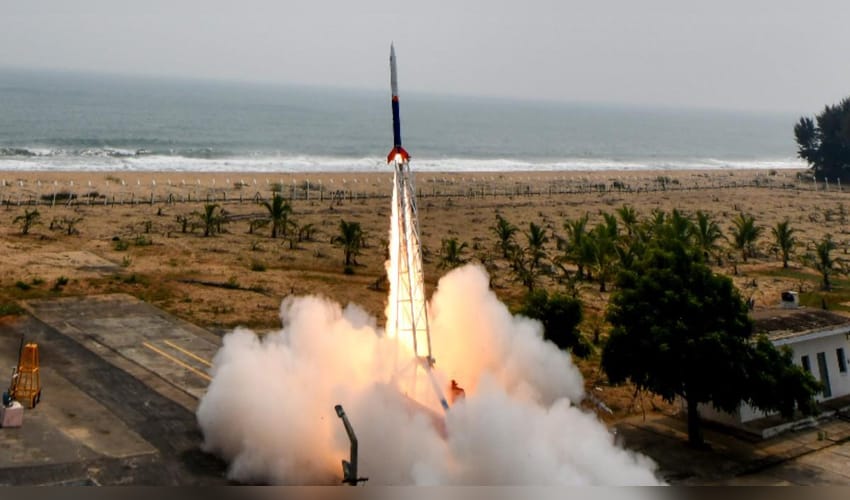

India's space industry is entering an exciting new phase as private companies begin to play a much larger role alongside the Indian Space Research Organisation (ISRO). At the forefront of this transformation is Skyroot Aerospace's Vikram-1, the country's first privately developed orbital launch vehicle. More than just a rocket, Vikram-1 represents India's growing ambition to become a major player in the global commercial space market. Scheduled for its maiden mission, Mission Aagaman, the launch is expected to demonstrate that Indian startups are capable of designing, building, and operating advanced space technology independently. If successful, it will mark a historic milestone for the country's private aerospace sector and strengthen India's position as an emerging hub for affordable satellite launches.
The significance of Vikram-1 extends far beyond a single launch. The rocket has been designed to carry small satellites into Low Earth Orbit (LEO), a market that has witnessed tremendous growth in recent years due to increasing demand for Earth observation, communication, climate monitoring, navigation, and scientific research. As governments and private companies around the world deploy larger constellations of small satellites, dedicated launch vehicles like Vikram-1 offer customers greater flexibility, faster deployment, and cost-effective access to space. This growing demand presents a major opportunity for Indian companies to compete internationally while expanding the nation's commercial space capabilities.
India's private space revolution gained momentum after the government opened the sector to private participation in 2020, encouraging innovation through regulatory reforms and support from organizations such as IN-SPACe. Since then, several startups have emerged, focusing on launch vehicles, satellite manufacturing, propulsion technologies, and space-based services. Skyroot Aerospace has become one of the leading names in this new ecosystem, attracting significant investment and international attention. Rather than replacing ISRO, these startups complement the agency by bringing faster innovation, commercial expertise, and fresh technological ideas, creating a collaborative ecosystem that can accelerate India's overall space ambitions.
The success of Vikram-1 could have far-reaching economic and technological benefits. A successful orbital mission would boost investor confidence, attract international satellite customers, create high-skilled employment opportunities, and encourage further investment in India's rapidly growing space-tech sector. It would also showcase India's ability to develop sophisticated aerospace technology through private enterprise, opening new avenues for exports, research collaborations, and commercial partnerships. While space missions always involve significant technical risks, every launch contributes valuable engineering knowledge that helps improve future vehicles and strengthens the industry's long-term capabilities.
Ultimately, Vikram-1 symbolizes much more than the launch of a new rocket. It reflects India's transition from a government-led space program to a thriving commercial space ecosystem where startups, investors, researchers, and established institutions work together to drive innovation. As the global space economy continues to expand, India's private space companies are positioning themselves to compete on the world stage. Whether through satellite launches, advanced technologies, or new commercial services, Vikram-1 marks the beginning of a new era—one that could redefine India's role in the future of space exploration and the global aerospace industry.
Disclaimer: This image is taken from Indian Express



