



World
India provides 1,000 metric tons of rice to Malawi to aid food security in response to the El Nino-induced drought.
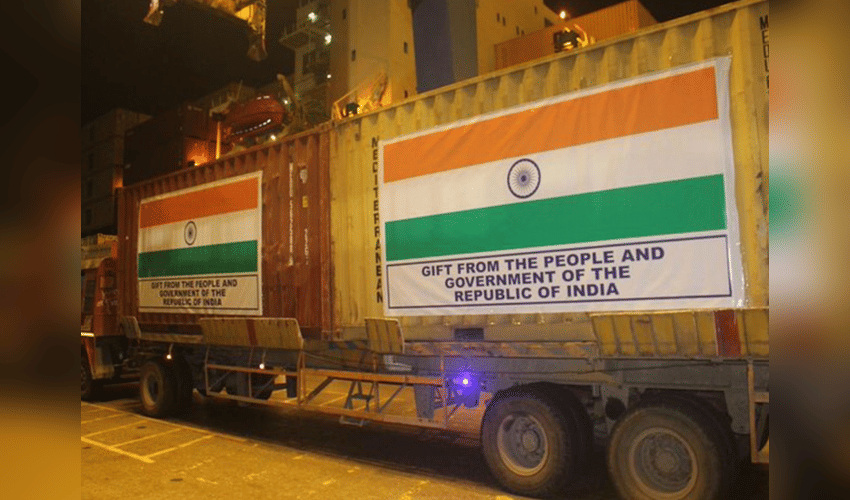

India has sent a humanitarian shipment of 1,000 metric tons of rice to Malawi to help the country address food shortages caused by drought linked to the El Niño climate phenomenon. This aid underscores India’s ongoing commitment to supporting developing nations and fostering cooperation within the Global South. The rice was dispatched from Nhava Sheva Port in Maharashtra and aims to provide immediate relief to Malawian communities affected by severe drought and crop failures.
Ministry of External Affairs spokesperson Randhir Jaiswal highlighted the initiative on X, stating, “India-Malawi partnership for food security. To support Malawi’s efforts following the drought caused by the El Niño effect, India has sent a humanitarian consignment of 1,000 metric tons of rice from Nhava Sheva Port to the people of Malawi. This reiterates India’s commitment to assisting partners in the Global South and promoting South-South cooperation.”
The El Niño weather pattern has disrupted rainfall across parts of southern Africa, including Malawi, reducing agricultural output and increasing food insecurity. El Niño occurs when sea surface temperatures in the tropical Pacific Ocean become warmer than usual, weakening trade winds and altering global weather patterns. While it can bring heavy rains and flooding to South America and the southern United States, regions like Australia, Indonesia, and India often face droughts. The phenomenon occurs every two to seven years, lasting several months, and has wide-ranging impacts on agriculture, fisheries, and ecosystems worldwide. Malawi, a landlocked country in southeastern Africa, depends heavily on agriculture for food security and economic stability. Prolonged dry spells associated with El Niño have severely affected maize production, the nation’s staple crop, leaving millions at risk of food shortages.



