



Economy
India, EU Deepen Partnership Through Trade and Technology Council, Focus on Strategic Tech and Clean Energy
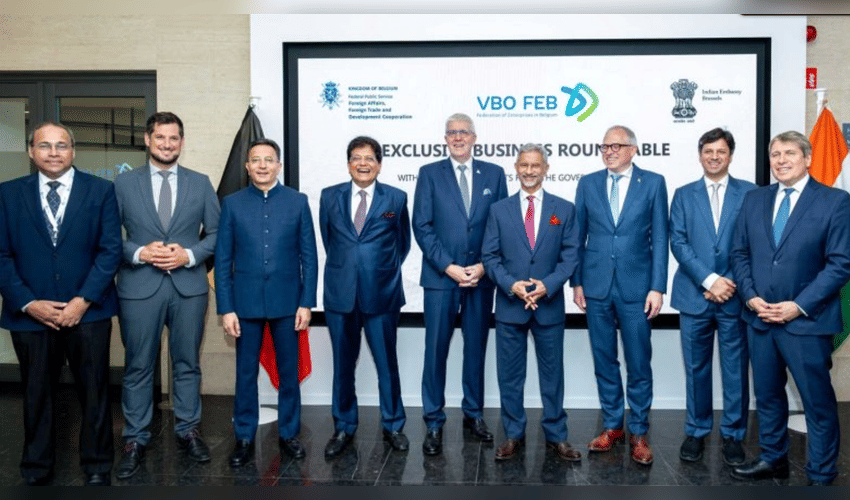

India and the European Union have reinforced their strategic partnership by expanding cooperation under the India-EU Trade and Technology Council (TTC), with both sides agreeing to accelerate collaboration in critical technologies, clean energy, digital infrastructure, and trade. The latest engagement between Indian and European officials underscored a shared commitment to strengthening economic ties while addressing global challenges such as supply chain resilience, technological security, climate change, and sustainable development.
The Trade and Technology Council, launched to provide a structured platform for high-level cooperation, has become a key mechanism for aligning priorities in emerging technologies and future industries. Unlike traditional trade dialogues, the council brings together experts and policymakers to work on issues that extend beyond commerce, including innovation, research, digital governance, and green technologies.
A major area of focus during the discussions was strategic technology. India and the European Union agreed to enhance cooperation in sectors such as artificial intelligence, semiconductors, quantum technologies, high-performance computing, secure telecommunications, and trusted digital infrastructure. Officials believe stronger collaboration in these fields will help reduce vulnerabilities in global supply chains while encouraging innovation and investment.
The two sides also reiterated their commitment to supporting research partnerships, startup ecosystems, and technology-driven businesses. By promoting joint innovation projects and facilitating knowledge exchange, both partners aim to create opportunities for companies and researchers across India and Europe.
Clean energy emerged as another priority during the discussions. India and the EU agreed to deepen cooperation in renewable energy, green hydrogen, battery recycling, sustainable mobility, and energy-efficient manufacturing. The partnership is expected to support the development of cleaner industrial technologies while contributing to global climate goals.
Officials noted that collaboration in battery recycling and circular economy practices could play an important role as demand for electric vehicles continues to rise worldwide. Increased cooperation in these sectors is also expected to encourage investment and strengthen sustainable manufacturing capabilities. Trade and investment remained central to the discussions as both sides explored ways to improve market access, simplify regulatory cooperation, and strengthen resilient supply chains. The European Union remains one of India's largest trading partners, and both economies continue to work toward expanding bilateral trade while creating a more predictable business environment for investors.
Industry experts say the growing partnership comes at a time when countries are increasingly seeking trusted economic and technology partners amid geopolitical uncertainty and shifting global trade patterns. Cooperation between India and the EU is expected to help diversify supply chains, boost industrial competitiveness, and accelerate the adoption of advanced technologies.
Analysts also believe the Trade and Technology Council could serve as a catalyst for long-term collaboration in areas such as digital public infrastructure, cybersecurity, clean manufacturing, and next-generation communication networks. As both partners seek to reduce dependence on limited supply sources and strengthen economic resilience, the council is expected to play a larger role in shaping future policy initiatives. The latest developments reflect the broader strategic relationship between India and the European Union, with both sides emphasizing that closer cooperation in technology, sustainability, and trade will not only benefit their respective economies but also contribute to a more secure, resilient, and sustainable global economic landscape.



