



Asia In News
HRC-PoJK Demands Immediate Information on Kashmiri Leader Shaukat Nawaz Mir's Whereabouts
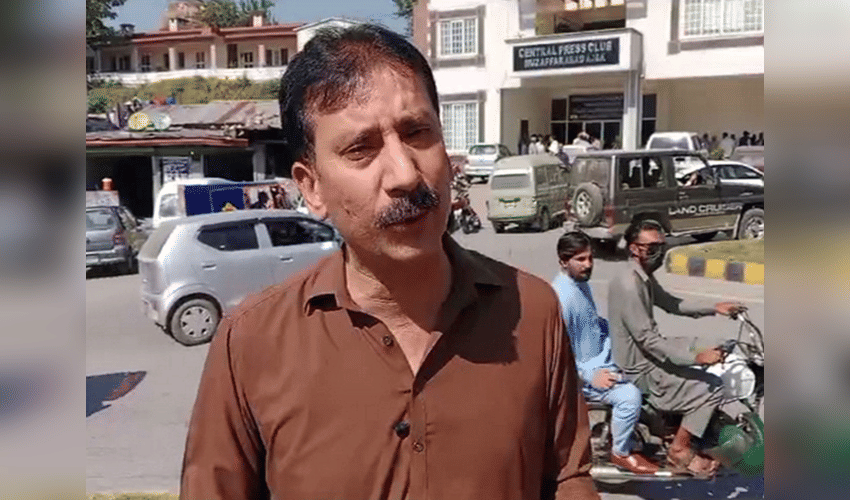

The Human Rights Council of Pakistan-occupied Jammu & Kashmir (HRC-PoJK) has raised alarm over reports concerning the detention and alleged undisclosed whereabouts of Kashmiri leader Shaukat Nawaz Mir, demanding that authorities immediately clarify his status and present him before a competent court.
In a post on X, the rights organisation urged the concerned authorities to reveal Mir’s location and explain the legal basis for his reported detention. It also called for him to be allowed to meet his family and consult with legal counsel, while insisting that he be produced before a court in line with constitutional protections and due process.
HRC-PoJK said that if no valid legal charges have been brought against Mir, he should be released without delay. The organisation warned that keeping an individual incommunicado or allowing their whereabouts to remain unknown can amount to a serious violation of fundamental rights and the rule of law.
The council further appealed to national human rights bodies, lawyers, civil society groups and the media to urgently take note of the reported detention. It stressed that authorities must provide transparency and ensure that any action taken against Mir remains within the bounds of law. The latest appeal comes after HRC-PoJK previously called for an independent, impartial and transparent investigation into incidents involving deaths, civilian injuries and allegations of excessive or disproportionate use of force in the region.
According to the organisation, the continuing situation in Pakistan-occupied Jammu & Kashmir should not be viewed solely as a political, administrative or law-and-order issue. It said ordinary residents continue to face the consequences, including disruptions to daily life, restrictions on civil liberties, difficulties accessing essential services and growing concerns over personal security. The council maintained that human life, dignity and fundamental freedoms must remain protected, regardless of political disputes, administrative decisions or public protests.



