



News
Health Ministry holds 'Suraksha Sankalp Karyashala' to boost district HIV response in Haryana and Delhi.
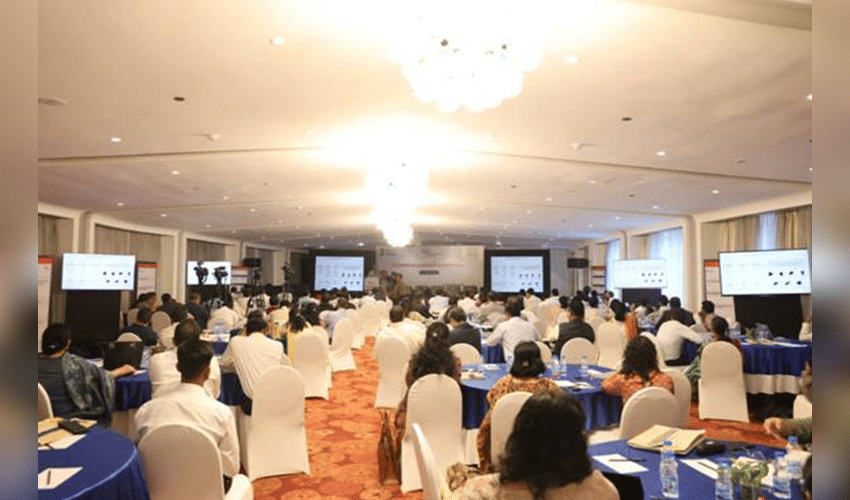

The Ministry of Health and Family Welfare, Government of India, through the National AIDS Control Organisation (NACO), organized the Suraksha Sankalp Karyashala in Delhi to strengthen district-level efforts in combating HIV/AIDS. The workshop focused specifically on the states of Haryana and Delhi as part of a broader strategy to enhance targeted interventions.
The session was chaired by Dr. Rakesh Gupta, Additional Secretary and Director General of NACO. S. P. Bhavsar delivered the background address, highlighting the changing patterns of HIV in India and stressing the importance of district-specific strategies supported by data analysis, focused outreach, and improved healthcare delivery systems.
Dr. Gupta emphasized that HIV/AIDS remains a serious public health concern, requiring continued vigilance, innovation, and coordinated action at all levels. Referring to the global 95:95:95 targets, he explained that the goal is for 95 percent of people living with HIV to know their status, 95 percent of those diagnosed to receive sustained Anti-Retroviral Therapy (ART), and 95 percent of those on treatment to achieve viral suppression.
He noted that Delhi still faces significant gaps, with only about 70 percent of identified individuals currently receiving treatment, indicating a need to improve treatment access and retention. Haryana, on the other hand, has achieved progress with a cascade of approximately 81:83:95, though further improvements in diagnosis and treatment linkage are still required. Dr. Gupta also stressed the importance of preventing mother-to-child transmission of HIV, which can occur during pregnancy, childbirth, or breastfeeding but is entirely preventable through timely testing, counselling, and treatment. He called for stronger antenatal screening and universal access to preventive services.
At the national level, 219 districts have been identified as priority areas for intensified HIV interventions, including 11 in Haryana and 7 in Delhi. Delhi has an adult HIV prevalence of 0.33 percent with around 59,079 people living with HIV, while Haryana has a prevalence of 0.24 percent with approximately 59,642 cases. Specific districts have been prioritized for focused action. In Delhi, these include North, New Delhi, Shahdara, Central, South East, South, and North West. In Haryana, the priority districts are Panipat, Rohtak, Sirsa, Jhajjar, Gurugram, Faridabad, Bhiwani, Hisar, Sonipat, Kaithal, and Fatehabad.
District programme teams are actively participating in the workshop, sharing progress, identifying challenges, and working together to create targeted, results-driven action plans to strengthen HIV response at the grassroots level. Dr. Gupta highlighted the need for coordinated efforts across national, state, and district levels, especially at the field level, to address gaps in awareness, testing, treatment, and adherence. He also outlined a clear roadmap aimed at bringing HIV/AIDS under control in India by World AIDS Day 2027, with an enhanced target of 95:95:99.
The Suraksha Sankalp Karyashala serves as a platform for collaboration among stakeholders, promoting a data-driven approach to HIV prevention and care. It aims to improve treatment linkage and retention, increase viral suppression rates, and expand outreach to vulnerable populations. Discussions during the workshop focused on strengthening programme implementation through better coordination, capacity building, and monitoring, with special emphasis on early diagnosis, timely treatment, sustained adherence, and reducing stigma and discrimination. This initiative aligns with India’s commitment to ending AIDS as a public health threat by 2030, reflecting a comprehensive and inclusive approach to HIV prevention and ensuring equal access to quality healthcare services for all.



