



Economy
Global food prices have reached a three-year peak as the conflict in Iran disrupts global supply chains.
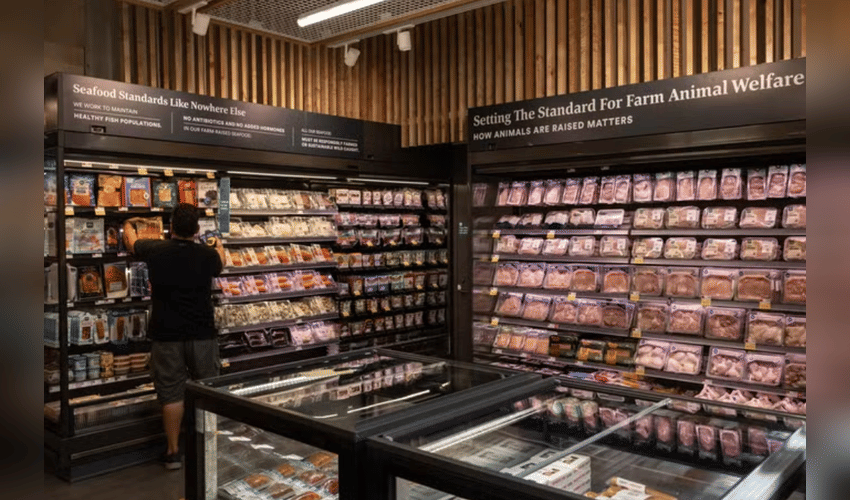

Global food prices have climbed to their highest level in over three years after disruptions from the Iran conflict strained global supply chains, raising concerns about increased costs for consumers. According to a Friday report, the United Nations food price index rose 1.6 percent in April, driven mainly by increases in vegetable oils, meat, and cereals. Prices are now about 2.5 percent higher than a year earlier.
The ongoing Iran war, now in its third month, has effectively disrupted the Strait of Hormuz, limiting the movement of key agricultural inputs like diesel and fertilisers, which has pushed prices higher. Vegetable oils saw the sharpest rise, increasing 5.9 percent from March and reaching their highest level since July 2022.
FAO Chief Economist Máximo Torero noted that vegetable oil prices are rising due to higher crude oil costs, which are boosting demand for biofuels and adding further pressure on the market. The index tracks raw commodity prices rather than retail costs, so changes at the consumer level may take time to appear. However, the latest rise suggests food inflation could accelerate, even as discussions continue between the US and Iran over a potential peace agreement that could reopen the strait.
This marks the third straight monthly increase in the index, which includes grains, sugar, meat, dairy, and vegetable oils. It first rose in February after five months of decline. Meat prices reached a record high, increasing 1.2 percent in April, while cereal prices rose 0.8 percent due to weather-related concerns and expectations of reduced wheat planting in 2026, as farmers shift away from fertiliser-intensive crops because of the conflict.
Producers worldwide are already reporting reduced planting areas and lower yields, as rising diesel and fertiliser costs impact agricultural decisions. Several European countries, including France and Romania, have indicated they may reduce corn production as farmers respond to higher input costs.



