



Asia In News
Fuel price surge worsens inflation in PoGB, residents criticize Islamabad's policies
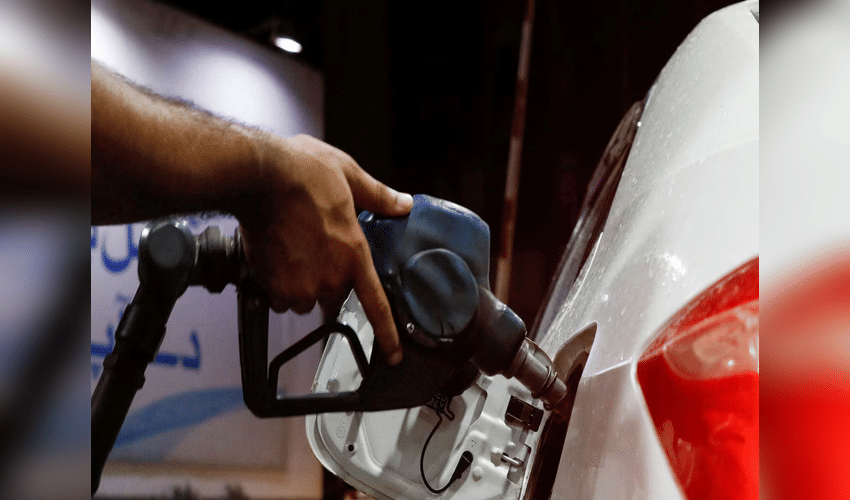

Residents of Pakistan-occupied Gilgit-Baltistan are struggling with rising inflation, with many blaming Islamabad’s policies for worsening their daily hardships without providing any meaningful relief. A recent hike in fuel prices has driven up transportation costs across the region, which in turn has led to higher prices for essential goods. From food to basic household necessities, the escalating costs have put significant pressure on the finances of ordinary citizens in what locals describe as an already marginalized area.
People in the region argue that economic decisions are being implemented without considering local realities. They claim that additional taxes and rising fuel prices disproportionately affect the poor, making daily survival increasingly difficult. Local journalist Feroz Shah highlighted the mounting distress, noting that levying taxes in a disputed region is unfair and ultimately burdens the most vulnerable. He emphasized that although taxes may appear aimed at businesses, the cost is passed on to consumers, driving up prices for everyday essentials.
Residents also assert that Pakistan has failed to control inflation while continuing to extract revenue from the region, worsening the economic crisis. Prices of food and clothing have surged, leaving many unable to afford even two meals a day, and families struggle to buy basic items like clothing for their children, reflecting the depth of the financial strain.
Calls are increasing for authorities to intervene and take measures to curb inflation. Locals urge the government to crack down on black marketing and ensure relief reaches those most affected by rising prices. At the same time, residents claim that critical decisions affecting the region are made without public consultation, while dissenting voices are often silenced. Consequently, many feel left to endure the economic hardships, which they see as part of ongoing systemic neglect and exploitation.



