



Military
DRDO Develops Indigenous Radome for TEJAS MK-1A, Strengthening India's Aerospace Self-Reliance
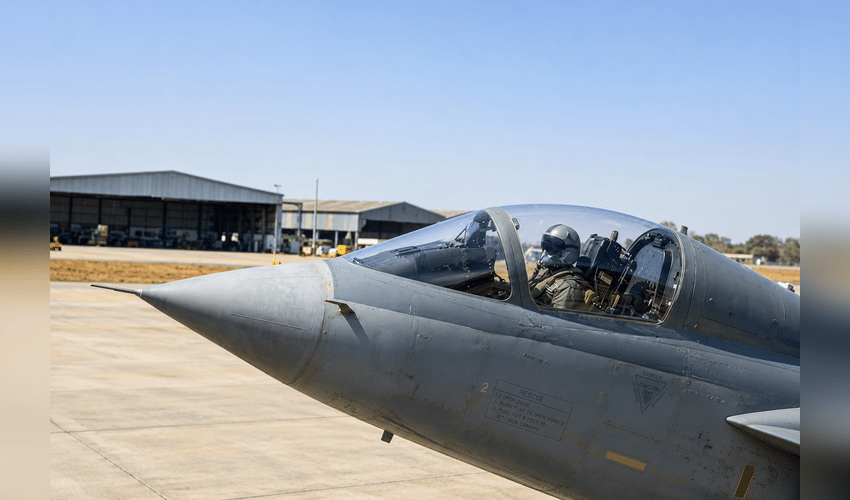

The Defence Research and Development Organisation (DRDO) has achieved a significant milestone by developing an indigenous radome for India’s Light Combat Aircraft (LCA) TEJAS MK-1A, marking another important step towards strengthening the country’s defence manufacturing capabilities. According to reports, the breakthrough will help reduce India’s dependence on imported radome systems and boost the domestic aerospace ecosystem. The technology has been developed by the Research and Development Establishment (Engineers) in Pune and has successfully met the required structural, mechanical and electromagnetic performance standards. The system is now ready to be transferred to industry partners for production.
Final flight trials are currently underway to complete the evaluation process. However, officials have stated that the radome has already cleared multiple assessment trials and fulfilled the requirements laid down by the Indian Air Force. A radome is one of the most important components of a fighter aircraft as it forms the nose section and protects the radar antenna installed inside. It allows radar signals to pass through while shielding the sensitive equipment from environmental challenges such as extreme weather conditions, aerodynamic pressure and physical impact. Maintaining its electromagnetic properties is crucial because any interference can affect the aircraft’s ability to detect and track targets.
The newly developed radome has been specifically designed for the TEJAS MK-1A, which is currently being produced for the Indian Air Force. The aircraft’s advanced radar system requires a high-performance radome that can provide structural protection without affecting radar efficiency. The indigenous technology has been developed to remove dependence on foreign suppliers for this critical aerospace component and ensure smoother production of the TEJAS MK-1A programme. The radome complies with all necessary mechanical and electrical specifications required for fighter aircraft operations.
The structure has been designed as a conical composite assembly with variable thickness and is attached to the aircraft’s front fuselage using a metallic interface ring. It also includes provisions for mounting the nose air data probe and features a military-standard lightning protection system. One of the biggest achievements of the project is the successful use of advanced composite materials and domestic manufacturing techniques. The radome has been built using a monolithic fibre-reinforced polymer composite structure made with quartz fibre reinforcement and a cyanate ester resin matrix. The manufacturing process uses resin film infusion technology, which helps achieve high strength, precision and durability.
The radome has been engineered to withstand demanding flight conditions, including aerodynamic forces, high-speed manoeuvres and possible impacts from bird or hail strikes. Its outer surface is coated with an electromagnetic-transparent anti-static paint that improves durability and protects against rain erosion during extended operations.
The system also includes lightning diverter strips designed to safeguard the aircraft’s radar and avionics equipment during harsh weather conditions, ensuring reliable performance in combat environments. The introduction of an indigenous radome is expected to provide a major boost to the TEJAS MK-1A programme by strengthening the supply chain and reducing delays linked to foreign component procurement. As production of the fighter aircraft expands, the technology could play an important role in supporting India’s long-term aerospace manufacturing goals.
Beyond the TEJAS MK-1A, the expertise developed through this project could benefit future platforms, including the TEJAS MK-2, Advanced Medium Combat Aircraft (AMCA) and other airborne systems that require specialised composite radome technology. The DRDO’s achievement reflects India’s growing capabilities in advanced defence technologies and highlights the country’s continued push towards self-reliance in aerospace manufacturing. Developing such critical systems domestically not only strengthens national security but also enhances India’s position in the global defence technology landscape.



