



Economy
Centre Approves Proposal for 50 percent Increase in Lok Sabha Seats, 25-Year Freeze on State Representation
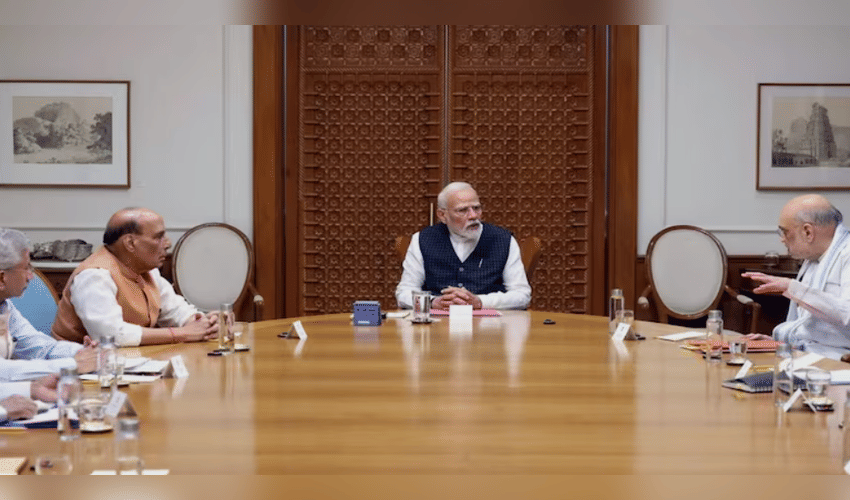

The Union Cabinet has approved a proposal to increase the total number of Lok Sabha seats by 50 per cent while maintaining the relative share of parliamentary representation among states for the next 25 years, marking a significant development in India's delimitation process. The decision was taken at a Cabinet meeting chaired by Prime Minister Narendra Modi on Friday, ahead of a special session of Parliament scheduled to begin on November 30.
Under the proposed arrangement, the strength of the Lok Sabha could increase from the existing 543 elected seats to approximately 816. The expansion is expected to provide additional parliamentary representation while ensuring that states do not lose their relative share of seats because of differences in population growth.
The proposed 25-year freeze, which could remain in effect until 2051, is aimed at addressing concerns raised by several southern states over the possible political consequences of a population-based delimitation exercise. States such as Tamil Nadu, Kerala, Karnataka, Andhra Pradesh and Telangana have previously expressed concerns that regions which successfully implemented population-control measures could face a reduction in their relative representation if seats were redistributed according to population figures.
Under the proposed formula, parliamentary representation would increase proportionately across states. For instance, Uttar Pradesh's existing 80 Lok Sabha seats could rise to 120, while Bihar's representation could increase from 40 to 60. Kerala's seats could similarly increase from 20 to 30. The delimitation exercise is also closely linked to the implementation of the Women's Reservation Act, which provides for reserving one-third of seats in the Lok Sabha and state legislative assemblies for women.
The legislation linked the implementation of women's reservation to a future Census and delimitation exercise. The proposed expansion of Parliament is expected to form an important part of the government's efforts to move forward with the reservation framework. Delimitation involves redrawing constituency boundaries and determining electoral representation to ensure a fair distribution of seats. India's parliamentary seat allocation has remained largely frozen for decades, following constitutional amendments intended to prevent states from being disadvantaged because of population-control policies.
The Centre's latest proposal seeks to balance the demand for greater representation with concerns over maintaining the federal structure and political influence of individual states. The special session of Parliament beginning November 30 is expected to provide further clarity on the proposed constitutional and legislative changes. The final implementation will depend on the passage of the necessary legislation and completion of the prescribed constitutional procedures. The proposed expansion could become one of the most significant changes to India's parliamentary structure in decades, with implications for electoral representation, women's participation in politics and Centre-state relations.