



World
Britain's economic struggles drive growing dissatisfaction with Brexit 10 years after leaving the EU.
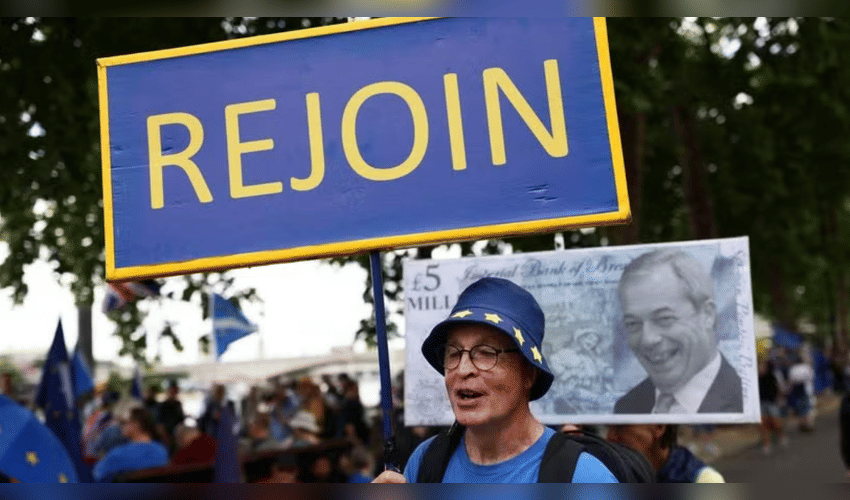

A decade after Britain voted to leave the European Union, many business leaders who once stood on opposite sides of the Brexit debate say they are disappointed with the outcome. Simon Boyd, who runs a company producing prefabricated steel structures on England’s south coast, and Mike Hawes, head of the Society of Motor Manufacturers and Traders, both believe Brexit has brought more difficulties than expected. Supporters of Brexit had promised that leaving the EU would allow Britain to regain control over its laws, borders and economy, creating a stronger and more independent future. However, critics argue that the reality has been far different, with slower economic growth, higher taxes, pressure on public services and continued challenges with immigration.
Boyd, whose company REIDSteel exports products worldwide, still supports Brexit but says the benefits have not appeared because political leaders failed to properly deliver on the promises made during the campaign. He also points to global challenges such as the COVID-19 pandemic and international conflicts as factors that affected Britain’s progress. Economists argue that leaving the EU’s single market created lasting economic problems. New trade rules increased costs and made business with European countries more complicated. Research suggests Brexit has negatively affected Britain’s economy, reducing GDP, investment and productivity compared with what might have happened if the country had remained in the EU.
The automotive sector has been among the industries most affected. British car manufacturers warned before Brexit that additional paperwork and trade barriers would hurt an industry deeply connected with European supply chains. Hawes said companies have adapted but face higher costs and increased pressure. Although Brexit allowed Britain to create its own trade agreements with countries around the world, the EU remains a major trading partner, accounting for a significant share of the country’s imports and exports.
The end of free movement of workers also created problems for some industries. Restaurant owners, especially those relying on overseas workers, say they struggled after many European employees left and new visa rules made hiring more difficult. Some business groups feel they were misled by promises that Brexit would make it easier to bring in skilled workers from countries such as India and Bangladesh.
Prime Minister Keir Starmer has started discussions with the EU to improve relations and support economic recovery. Recent polling indicates that public dissatisfaction with Brexit has increased, with more people saying the outcome has been worse than they expected. Despite the criticism, Brexit supporters like Boyd continue to believe Britain can succeed outside the EU. They argue that the country has not fully benefited because the agreement negotiated after Brexit kept too many links with Europe and limited Britain’s ability to operate independently. They insist that returning to the EU is not the solution and that the country must move forward with its current path.



