



World
Aid agencies report that there are insufficient tents and that food supplies are reaching Gaza too slowly as winter approaches.
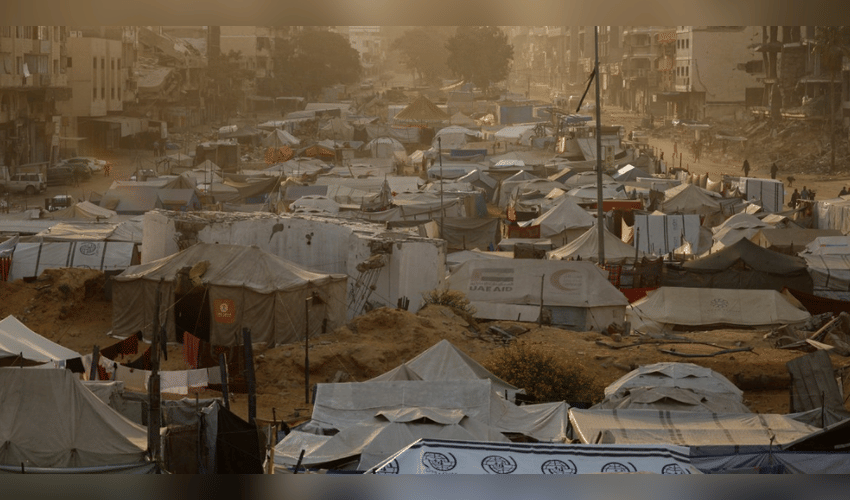

Humanitarian agencies reported on Tuesday (Nov 4) that far too little aid has reached Gaza nearly four weeks after a ceasefire, leaving residents facing hunger as winter approaches and tents deteriorate following Israel’s two-year military offensive. The truce was intended to allow a surge of aid into the densely populated enclave, where famine was confirmed in August and nearly all 2.3 million residents have lost their homes. However, the World Food Programme (WFP) said only half the required food has arrived, while a coalition of Palestinian aid groups reported that total aid deliveries are only a quarter to a third of what was expected.
Israel maintains it is meeting its ceasefire obligations, which call for an average of 600 supply trucks per day, and attributes food shortages to Hamas, accusing the group of diverting aid—a claim Hamas denies. Gaza’s local authorities, under Hamas control, say most trucks still fail to reach their destinations due to Israeli restrictions, with only about 145 daily deliveries occurring. The UN, which previously published daily aid truck statistics, has stopped doing so.
Manal Salem, 52, living in a tent in Khan Younis, described the situation as “dire,” saying her tent is “completely worn out” and may not survive the winter. Some improvements have been noted since mid-October, according to the UN Office for the Coordination of Humanitarian Affairs (OCHA). Acute malnutrition among children has fallen slightly—from 14% in September to 10%—and half of Gaza’s families now report better access to food, averaging two meals a day. Conditions remain worse in the north than in the south.
WFP spokesperson Abeer Etefa called the situation a “race against time,” emphasizing the urgent need for full and rapid access. Since the ceasefire, 20,000 metric tons of food have been delivered—about half of what is needed—with 44 out of 145 targeted distribution sites opened. She highlighted that households mainly rely on cereals and pulses, with meat, eggs, vegetables, and fruits rarely available. A shortage of cooking fuel forces over 60% of Gazans to cook by burning waste, creating additional health risks.
As winter nears, the need for shelter is critical. Many tents are worn out, and buildings that survived the conflict are often unsafe or exposed. Amjad al-Shawa, head of Palestinian aid agencies coordinating with the UN, warned of risks from rain, flooding, and disease due to nearby garbage, stating only 25–30% of expected aid has arrived. Shaina Low, spokesperson for the Norwegian Refugee Council, said living conditions are “unimaginable,” with 1.5 million people in Gaza needing shelter. Large quantities of tents, tarpaulins, and related aid remain delayed, awaiting Israeli approval.



