



News
A Practical Answer to the Great Passport Debate
Published On Sat, 27 Jun 2026
Aarti Choudhary
8 Views
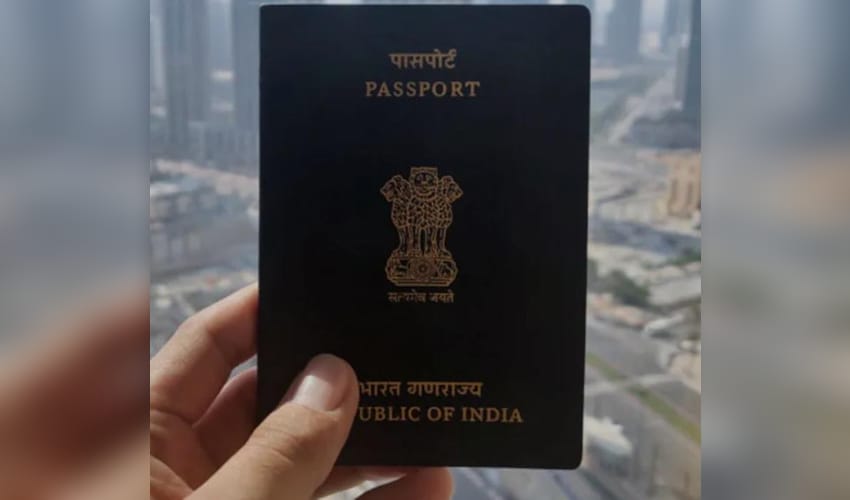

The Great Passport Debate is no longer just about travel documents—it reflects a much larger question about how governments manage identity, mobility, and public services in a fast-changing world. Today, passports are essential for education, work, tourism, and migration, yet the process of obtaining them often feels unnecessarily slow and complicated. This gap between modern needs and outdated systems is what keeps the debate alive.
At the core of the issue lies a clear tension between security and convenience. Governments must ensure proper identity verification to prevent misuse, but citizens expect quick and hassle-free services. Unfortunately, in many cases, the system leans too heavily toward procedural complexity. Applicants are often required to submit multiple documents, undergo lengthy verification steps, and wait for extended periods, even when much of this process could be streamlined through technology.
The need for reform is not about removing safeguards but about making the system smarter and more efficient. A more practical approach would begin with a digital-first model where most documents are verified electronically. Integrating passport services with national identity databases could significantly reduce redundant paperwork and speed up approvals. Alongside this, a unified application platform across regions would ensure consistency and eliminate confusion caused by varying procedures.
Technology can also play a major role in improving verification processes. Artificial intelligence and automated systems can help check data more quickly and accurately, reducing human delays without compromising security. In addition, real-time tracking of applications would bring much-needed transparency, allowing applicants to know exactly where their request stands at any given time.
Beyond technology, the human impact of delays must not be ignored. Every passport application represents a personal journey—students pursuing education abroad, professionals seeking better opportunities, or families trying to reunite. When systems fail to function efficiently, it is these real lives that are affected. As noted in broader discussions on governance by Shashi Tharoor, public administration must evolve to meet citizen expectations rather than burden them with outdated procedures.Ultimately, the solution lies in adopting a common-sense approach that balances efficiency with security. Reducing unnecessary paperwork, increasing automation, and improving transparency can transform the passport system into one that truly serves the people. Instead of being a source of delay and frustration, it should become a smooth and reliable gateway to global opportunity.
Disclaimer: This image is taken from NDTV India.



