



World
US to escort stranded ships through Hormuz amid ongoing positive talks.
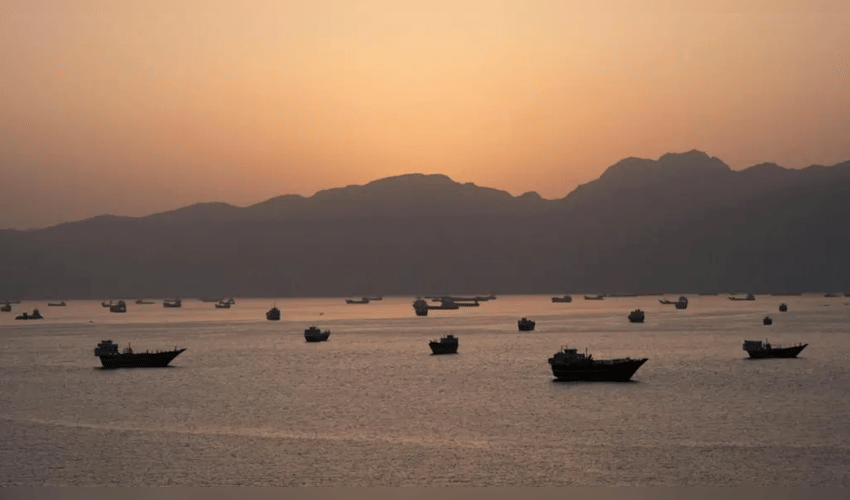

The United States has announced that it will begin escorting stranded commercial vessels through the Strait of Hormuz as diplomatic discussions in the region continue to show signs of cautious progress. The move is intended to ensure the safe passage of civilian ships that have been disrupted by ongoing tensions in the strategically vital waterway. The escort operation is expected to begin immediately, with U.S. naval forces coordinating movements through one of the world’s most critical maritime trade routes.
The Strait of Hormuz, which links the Persian Gulf with the Gulf of Oman, is a key passage for global energy shipments, carrying a significant portion of the world’s oil supply. Any disruption in this narrow channel often has immediate implications for international trade and energy markets. In recent weeks, several commercial vessels have reportedly faced delays and logistical challenges in the region, prompting concerns over maritime safety and supply chain stability. The new escort initiative is aimed at addressing these disruptions while reducing risks for civilian crews.
Officials in Washington described the move as a protective measure to support free navigation and maintain stability in global shipping routes. At the same time, they noted that diplomatic talks with Iran remain ongoing and have shown “constructive signals,” though no formal agreement has been reached.
Security analysts view the development as a dual approach, combining increased maritime protection with continued diplomatic engagement. While the escort operation is designed to ensure immediate safety, longer-term stability will depend on the outcome of ongoing negotiations.
Global markets are closely monitoring the situation, as the Strait of Hormuz plays a crucial role in international energy transportation. Any improvement in security conditions could help ease pressure on shipping routes and stabilize oil supply flows. Authorities have urged all parties to exercise restraint, emphasizing the importance of maintaining open and secure sea lanes for global commerce.



