



Asia In News
UAE Airports Resume Limited Flights Amid Missile Tensions
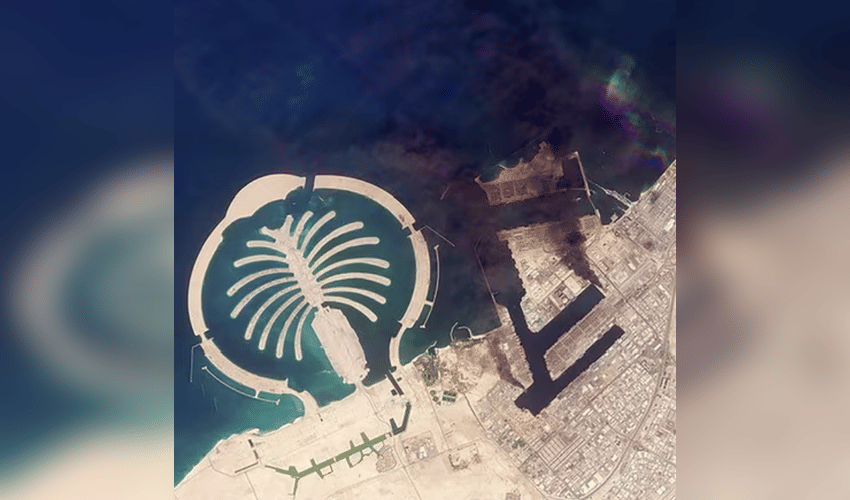

After a tense 24-hour shutdown, Dubai and Abu Dhabi airports have begun limited flight operations as UAE airspace cautiously reopens. The move comes on the heels of Iranian missile alerts that forced an Emirates flight into a dramatic mid-air turnaround, stranding thousands and underscoring the fragility of Gulf travel hubs.
The disruption stemmed from escalating exchanges between Iran, U.S. forces, and Israel, with debris from intercepted missiles raining down on UAE soil. Dubai International Airport (DXB) reported minor damage, while Abu Dhabi saw one fatality and several injuries among ground staff. All commercial flights ground to a halt starting March 1, affecting major carriers like Emirates and Etihad.
In a nail-biting incident, Emirates Flight EK501 from Mumbai circled outside UAE airspace early Tuesday after a ballistic missile warning. The plane executed a double reversal before safely returning to Dubai, as tracked live by aviation enthusiasts. Such maneuvers are exceptionally rare for the airline, signaling heightened military vigilance.
Etihad has launched select repatriation flights to key destinations like London and Mumbai, with Emirates following suit for priority passengers. However, over 80% of Dubai schedules and half of Abu Dhabi's remain canceled through March 4. Airlines urge affected travelers to await direct notifications rather than rush to terminals.
Travelers face rebooking windows up to March 20 or full refunds, but check-in lines are chaotic. Experts recommend monitoring Flightradar24 and official airline sites, while factoring in elevated insurance costs amid ongoing regional volatility. British expats on the ground called the atmosphere "unrecognizable," with smoke visible near iconic sites. UAE authorities prioritize safety as repositioning flights test the skies—full normalcy may take days.



