



World
U.S. Government Shutdown Looms as Congress Misses Budget Deadline
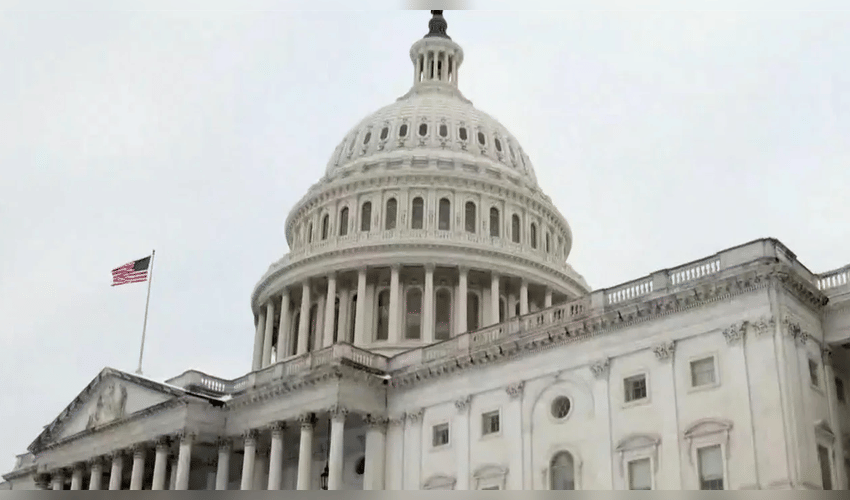

The United States federal government has begun a partial shutdown following Congress's failure to approve critical funding by the January 30 midnight deadline for the fiscal year 2026 budget. Lawmakers in the Senate passed a revised spending package late Friday with a 71-29 vote, covering defense and other priorities in a "minibus" bill. However, the House of Representatives, under Speaker Mike Johnson, delayed its vote until at least today, leaving non-essential operations across several agencies paused.
The impasse centers on disagreements over Department of Homeland Security (DHS) funding, which was stripped from the broader package amid partisan clashes. Republicans, holding narrow majorities in both chambers, require 60 Senate votes for major bills, complicating bipartisan deals. This marks the latest in a series of funding lapses, reminiscent of the 35-day 2018-19 shutdown over border security and shorter disruptions in 2025 linked to health programs. Essential services, including national defense, air traffic control, and public safety, remain operational.
Approximately 2 million federal employees face furloughs or unpaid leave, though backpay is standard post-resolution. Agencies like the IRS, Smithsonian Institution, and national parks are affected, with potential delays in tax processing, museum closures, and site maintenance halts. Travelers could see longer airport security lines as TSA reallocates staff, while SNAP benefit renewals might stall for millions. Economic fallout includes losses for contractors and local businesses; past analyses estimate daily nationwide costs exceeding $1 billion. President Trump's White House, through OMB Director Russ Vought, described the shutdown as "orderly" and urged swift action. House leaders expressed optimism for a vote today following weekend talks.
A continuing resolution (CR) could provide temporary funding, buying time for full appropriations. Historical patterns suggest short durations, averaging 7-10 days, if compromises emerge quickly. The public can monitor updates at USA.gov/shutdown. As developments unfold on Capitol Hill, this situation highlights ongoing partisan divides in federal budgeting.



