



World
Trump Won't Nuke Iran but "Clock Is Ticking" as Third U.S. Aircraft Carrier Arrives in Middle East
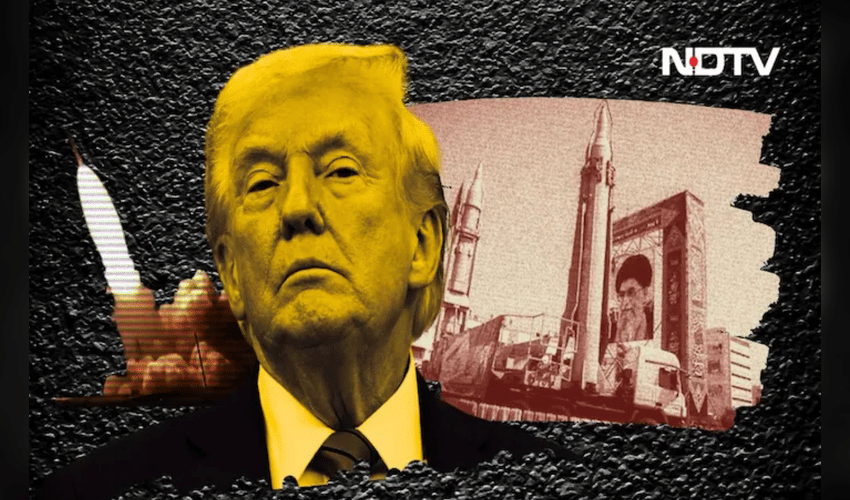

President Donald Trump has publicly ruled out the use of nuclear weapons against Iran, even as the United States ramps up conventional military pressure with the arrival of a third American aircraft carrier in the Middle East. Speaking from the White House, Trump stressed that a nuclear strike “should never be allowed to be used by anybody” and called it “unjustified” in the current context. At the same time, he warned Tehran that “the clock is ticking,” signaling that Iran is running out of time to respond to Washington’s demands.
The deployment of the USS George H.W. Bush carrier strike group brings the total number of U.S. supercarriers operating in the region to three, a move described by Central Command (CENTCOM) as a major reinforcement of American military power. Each carrier can carry dozens of fighter jets and thousands of sailors, significantly expanding Washington’s ability to conduct airstrikes, tighten the naval blockade, and respond swiftly to any Iranian or proxy actions in the Strait of Hormuz and nearby waters. Analysts note that this formation of three carriers is a rare show of force, typically reserved for high-stakes conflicts or crises where the U.S. wants to demonstrate both resolve and restraint.
Trump’s comments come amid escalating tensions over Iran’s alleged missile and mine-laying activities in the Strait of Hormuz, a critical chokepoint through which roughly a fifth of the world’s seaborne oil passes. The administration has authorized U.S. Navy forces to “shoot and kill” Iranian small boats caught laying mines, while intercepting smuggled Iranian crude and bombing key missile and air-defense sites inside Iran. This conventional pressure aims to keep the conflict within non-nuclear bounds while making it increasingly difficult for Tehran to sustain its position economically and militarily.
The geopolitical fallout is already evident in global energy markets, with oil prices spiking and volatility rising as traders react to the heightened risk of disruption. Gulf states express cautious relief at the visible U.S. presence, yet they remain apprehensive about being drawn into a broader conflict or facing supply chain hiccups. Meanwhile, energy-dependent nations like China and India are diversifying suppliers, building stockpiles, and quietly advocating for de-escalation through backchannel channels.
Observers say Trump’s strategy hinges on squeezing Iran with material and psychological pressure to force concessions, rather than crossing into nuclear escalation. “The ‘clock is ticking’ rhetoric is classic Trump—blunt, but it leaves room for negotiation,” commented a regional expert. However, the risk of miscalculation looms large, as Iranian forces or proxies might interpret the carrier buildup as a prelude to a wider offensive. With three carriers now in play, the world watches whether diplomacy can catch up before the ticking clock runs out, as markets and citizens brace for every ripple in fuel prices and regional stability.



