



Military
Trump said the United States is talking with Iran, but Tehran is not ready for a deal to end the war.
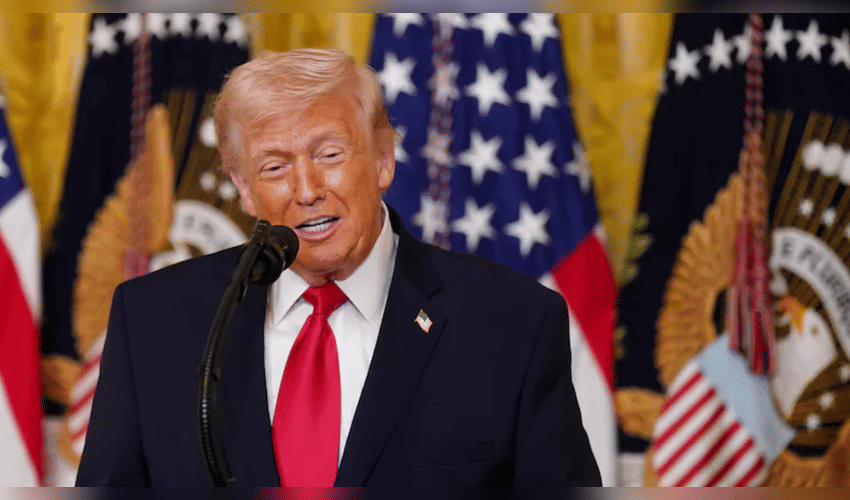

President Donald Trump revealed Monday that the United States is actively engaging Iran in discussions to potentially halt the ongoing war, though he expressed skepticism about Tehran's willingness to accept a viable agreement. Speaking in a series of high-profile interviews, Trump stated that while preliminary talks are happening, Iran remains unprepared for the terms required to end hostilities that erupted late last month. "We're talking to them, but they're not ready for a deal," he said, emphasizing the need for a "very solid" outcome that aligns with U.S. security interests.
Trump's comments, aired on NBC's Meet the Press and echoed across outlets like Channel News Asia, come amid intense U.S. and Israeli airstrikes that have targeted Iran's oil infrastructure, military leadership, and naval assets in the Strait of Hormuz. He hinted at Iran's desperation following strikes on Kharg Island's vital oil terminal and the destruction of over a dozen Iranian vessels, claiming Tehran's top command structure has been "decimated." Yet, Trump adjusted expectations from earlier predictions of a quick resolution, now suggesting operations could extend if needed, with quips about hitting remaining targets "just for fun" to maintain pressure. The president has repeatedly forecasted the conflict wrapping up "soon" or within weeks since U.S. strikes began on February 28, but no ground troop deployments have been announced, keeping the focus on air and naval superiority.
Iranian officials have downplayed the overtures, with sources indicating frustration over recent attacks and a reluctance to negotiate under duress. New leadership in Tehran, potentially destabilized by losses including questions over Supreme Leader Ali Khamenei's status, continues to assert resilience, refusing concessions on its missile program or nuclear activities. The war's third week has spiked global oil prices due to disruptions in the Strait of Hormuz, a critical chokepoint for energy shipments. This echoes historical Gulf crises but unfolds against 2026's push toward renewables, potentially accelerating shifts in global energy markets.
Analysts see Trump's blend of diplomacy and deterrence as a high-stakes gamble, reminiscent of his first-term "maximum pressure" campaign. A breakthrough could realign Middle East alliances, but prolonged talks—or more strikes—risk broader escalation. Markets and allies watch closely as the U.S. navigates this pivotal moment.



