



World
Trump Dust Of 200-Year-Old Monroe Doctrine in Venezuela Showdown
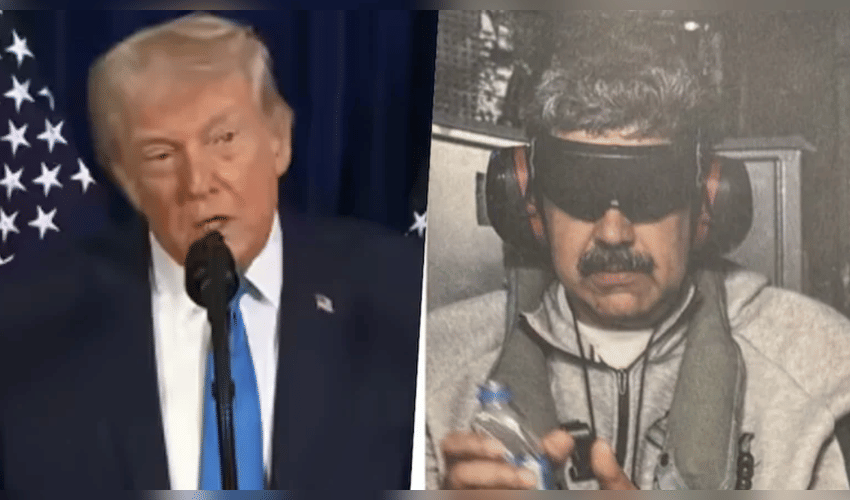

President Donald Trump has dusted off the Monroe Doctrine, a cornerstone of U.S. foreign policy from two centuries ago, to justify recent aggressive moves against Venezuela's leadership. The 1823 policy, originally aimed at keeping European powers out of the Americas, now frames America's pushback against perceived foreign meddling in its backyard.
President James Monroe first articulated the doctrine in his 1823 State of the Union address, declaring the Western Hemisphere off-limits to new European colonization or interference. Born amid Latin America's independence struggles, it signaled the U.S.'s emerging role as regional guardian—though the young nation leaned on Britain's naval might for real enforcement. Over time, it evolved: Teddy Roosevelt's 1904 Corollary empowered U.S. interventions in unstable neighbors, from Cuba to the Dominican Republic, often blending security with economic interests.
Trump's invocation came sharp on the heels of a dramatic U.S. raid capturing Venezuelan leader Nicolás Maduro earlier this month. Labeling it the "Donroe Doctrine"—a nod to his persona—the president tied it to his 2025 National Security Strategy, which brands the Monroe principles as vital against China, Russia, and Iran's footholds in Latin America. "Venezuela's chaos invites outsiders; we're restoring order per Monroe," Trump stated, positioning U.S. interim oversight as a direct descendant of the original edict.
The strategy marks a bold "America First" pivot, prioritizing hemispheric dominance over global entanglements. Yet it stirs memories of interventions like the 1989 Panama invasion, fueling Latin American wariness of U.S. overreach. With eyes now on Mexico's cartels and Cuba's alliances, analysts debate if this revival strengthens security or reignites old resentments.



