



Economy
The Reserve Bank of India increases measures to stabilize the rupee and bond markets as crude oil prices rise sharply.
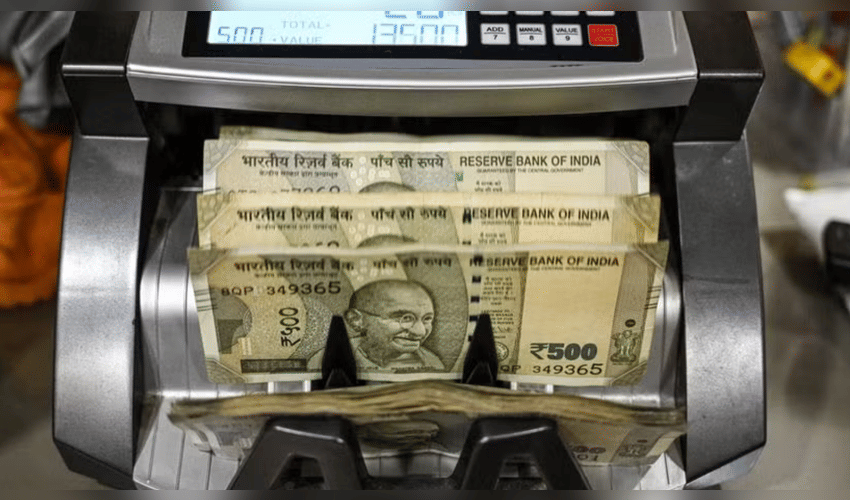

India’s central bank may take a more active role in the currency and bond markets as fluctuations in crude oil prices increase the risk of higher inflation and strain government finances, according to analysts. The Reserve Bank of India has increased its efforts in both offshore and domestic markets to stabilize the rupee after the currency fell to a record low. On Friday, the central bank announced it would purchase one trillion rupees worth of bonds from the open market this month, in addition to the screen based purchases it has been carrying out in recent weeks.
These actions show how rising oil prices, which surged after the conflict in Iran began, are pushing the central bank to respond on several fronts. More expensive energy can raise inflation, widen the trade deficit, and weaken the currency. By intervening in foreign exchange markets and purchasing bonds, the RBI is attempting to support the rupee, restore liquidity, and control borrowing costs.
Upasna Bhardwaj, chief economist at Kotak Mahindra Bank, said the balance of payments could face significant pressure if the West Asia conflict continues in the near future. She added that the RBI may need to intervene more frequently in currency markets and could increase bond purchases beyond the expected four trillion rupees. The central bank did not respond to a request for comment.
Bhardwaj estimated that the RBI likely sold between eighteen billion and twenty billion dollars in the foreign exchange market last week to support the rupee, with much of the activity occurring in offshore markets. She also noted that the bank has been conducting buy sell swaps to add liquidity. India’s foreign exchange reserves stood at a record seven hundred twenty eight point five billion dollars at the end of February.
During the current crisis, the rupee dropped to a new low, crossing ninety two per dollar. Economists at Barclays Bank believe the currency will likely remain under pressure. Oil prices nearly reached one hundred twenty dollars per barrel on Monday as traders anticipated a prolonged conflict in West Asia. Prices later fell after United States President Donald Trump suggested the war might end soon, although oil is still trading above the levels seen in February.
Some analysts believe the RBI may not strongly defend the rupee because of uncertainty over how long the conflict will continue. Anubhuti Sahay, head of India economic research at Standard Chartered, said the RBI is likely to tolerate some weakness in the rupee due to limited clarity about the conflict’s duration and oil prices remaining above one hundred dollars. She also said that since foreign exchange reserves could decline due to intervention and possible valuation losses, the central bank must use them cautiously.
The RBI’s bond purchases are also intended to replace liquidity drained by its currency market interventions and to keep government bond yields under control. Benchmark yields are approaching levels last seen in January 2025 and have increased by more than ten basis points this year despite four interest rate cuts and record liquidity injections last year.
Suyash Choudhary, chief investment officer for debt at Bandhan AMC, said the central bank may be following through on its commitment to proactive liquidity management by combining currency interventions with bond purchases. RBI Governor Sanjay Malhotra described India as being in a rare Goldilocks period, with low inflation and strong economic growth. In its October policy review, the central bank projected crude oil prices at seventy dollars per barrel and noted that a ten percent increase could raise inflation by about thirty basis points and reduce economic growth by around fifteen basis points.