



Military
The JF-17 Narrative Questioned: Pakistan's Defence Export Ambitions vs Ground Reality
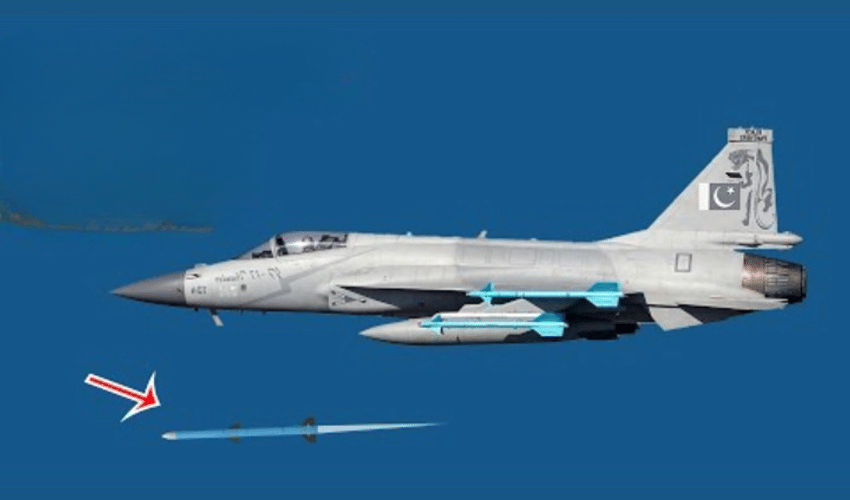

In recent days, Islamabad has vigorously pushed the claim that the Pakistan China co produced JF 17 Thunder fighter is witnessing strong international demand. This campaign follows unsupported assertions from both Pakistan and China that JF 17 and J 10 aircraft shot down a French Rafale during India's Operation Sindoor. With no evidence presented, these claims appear intended to enhance the export appeal of Chinese military platforms, as noted by Major General Harsha Kakar.
Across international media, Pakistani journalists frequently advance narratives aligned with state messaging. The current storyline originated with reporter Samaan Lateef and was rapidly echoed by other Pakistani correspondents worldwide. Notably, no independent publication from any alleged buyer nation has corroborated these claims, highlighting the effectiveness and danger of coordinated psychological operations in spreading a manufactured narrative.
French intelligence assessments have pointed to a joint Pakistan China disinformation effort aimed at undermining the Rafale’s reputation, particularly in South East Asian markets. This coincides with declining confidence in Chinese defence equipment after reported failures of Chinese air defence systems in Venezuela, mirroring earlier issues faced by Pakistan itself.
Pakistan’s information apparatus followed up with near daily announcements. On 7 January, reports claimed Bangladesh would buy JF 17s. Saudi Arabia was named the next day, Sudan on 9 January, and Indonesia shortly after. Earlier, Libya, Sudan, and Iraq were also said to be interested. The speed and lack of coherence in these announcements weaken their credibility and resemble propaganda rather than genuine sales negotiations.
Pakistan’s Defence Minister Khawaja Asif further amplified the claims by suggesting that JF 17 exports could remove the need for IMF assistance within six months. In reality, the aircraft is only partially manufactured in Pakistan, with a significant share produced in China, despite being portrayed domestically as a national achievement.
Chinese social media accounts reinforced this messaging, presenting the JF 17 and J 10 as superior to the Rafale. The urgency reflects falling demand for Chinese systems, as several countries express dissatisfaction due to reliability and performance issues. Nigeria’s experience illustrates these problems. After purchasing three JF 17s, its air force reported poor manoeuvrability, limited avionics, outdated radar, frequent malfunctions, and severe maintenance challenges. Even in low intensity operations, the aircraft performed poorly, leading Nigeria to sideline them and acquire Italian M 346FA jets instead.
Myanmar faced similar difficulties. Aircraft delivered between 2019 and 2021 developed structural and technical defects soon after induction, grounding most of the fleet. Pakistani technical teams were unable to resolve the issues, damaging relations and pushing Myanmar toward Russian Su 30 fighters. The Chinese J 10 has seen no better success. Despite propaganda claims linked to Operation Sindoor, no confirmed export orders exist. Indonesia briefly explored the option but ultimately chose to acquire 66 Rafales after assessing performance limitations.
Speculation around Indonesia resurfaced after its defence minister visited Pakistan, but while Pakistan’s military media wing claimed interest in the JF 17, Indonesian media described the talks as general defence cooperation with no mention of aircraft purchases. Given Indonesia’s Rafale commitment, a shift to the JF 17 appears implausible.
Saudi Arabia’s alleged interest is similarly questionable. Claims surfaced amid Pakistan’s outstanding debt to Riyadh, but Pakistan’s own foreign office stated it had no details, and Saudi Arabia made no announcement. With advanced Western fighters already in service and future plans for fifth generation aircraft, Saudi Arabia has little incentive to acquire the JF 17. Azerbaijan did order 16 JF 17s in late 2024 and showcased five aircraft in 2025, though the status of the remaining jets remains uncertain. Reports suggest concerns over performance as Azerbaijan seeks to modernise beyond Soviet era platforms.
Claims involving Bangladesh, Libya, Iraq, and Sudan remain unverified. No official confirmation has emerged from these countries, reinforcing the view that many such offers are diplomatic courtesies rather than real procurement decisions. Within aviation circles, the JF 17 is widely seen as unreliable, technologically dated, and unsuitable for demanding combat roles. The fabricated Rafale shoot down story briefly drew attention, but closer scrutiny exposed Pakistan’s own losses and shortcomings in Chinese supplied systems.
Ultimately, only heavily sanctioned or financially constrained states appear to consider the aircraft out of necessity rather than choice. Media figures aligned with Pakistan’s military continue to promote the narrative through anonymous sourcing. The push intensified after India announced plans to procure over 114 Rafales, likely aimed at reassuring domestic audiences that Western aircraft pose no threat. However, the experiences of Nigeria and Myanmar underline the risks for buyers: grounded fleets, weak support, and costly shifts to alternative suppliers.



