



World
Taliban's New Criminal Code Legalizes Slavery, Shields Mullahs in Shocking Afghan Overhaul
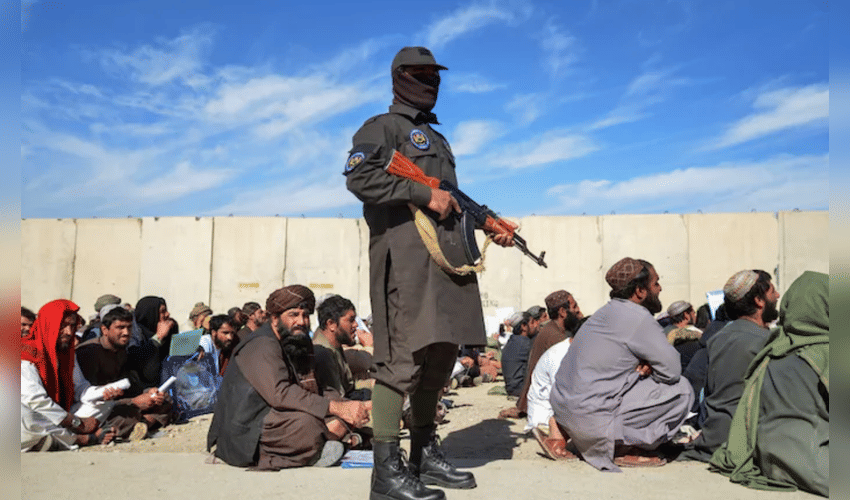

Afghanistan’s Taliban rulers have ignited global fury with a new Criminal Procedure Code that critics say formalizes a brutal social hierarchy, shields top religious leaders, and disturbingly revives slavery-like distinctions in the legal system. Signed into effect on January 4 by supreme leader Hibatullah Akhundzada, the 119-article decree is already rolling out in courts, marking a stark escalation in the regime’s hardline vision.
At the heart of the code lies Article 9, which splits Afghan society into rigid classes for judicial purposes: elite religious scholars (mullahs or ulama) reign supreme, trailed by societal elites (ashraf), the middle tier, and the vulnerable underclass. Punishments vary wildly by rank—a mullah caught in a mid-level offense might walk away with mere counsel, while someone from the bottom rung faces prison, flogging, or worse for the same act. Rights advocates like Rawadari, who obtained the document, label it a “legal caste system,” drawing uncomfortable parallels to historical divides that crushed equality. This setup hands unchecked power to local clerics, especially in remote areas where Taliban influence runs deep. Dissenters risk not just jail but public humiliation, as judges wield vague new crimes like “immoral dancing” or “corrupt gatherings.”
Even more chilling are the code’s repeated nods to “free persons” versus “slaves” (ghulam), woven into punishment guidelines as if such categories are routine. While not an outright endorsement, human rights experts warn this normalizes exploitation—think debt bondage or forced labor—cloaked in religious rhetoric. Global treaties outlaw slavery as a crime against humanity, yet here it’s treated as a valid legal marker, echoing dark chapters from colonial or feudal pasts.
Defendants lose basics like legal counsel, the right to silence, or remedies for miscarriages of justice. Trials hinge on confessions and witnesses, sidelining proper investigations. For women and minorities—already reeling from Taliban crackdowns like salon raids—this means heightened peril, with coerced testimony likely to surge.
The United Nations and exiled Afghan voices are sounding alarms, pushing for sanctions to halt rollout. Rawadari vows to document abuses as cases hit courts. With Afghanistan’s economy in freefall and the Taliban further isolated, this code isn’t just law—it’s a blueprint for control that could ignite resistance or fresh refugee waves. As implementation begins, the world watches a nation slide deeper into division.



