



News
Subrahmanyam Jaishankar said the Global South comes from shared historical experiences.
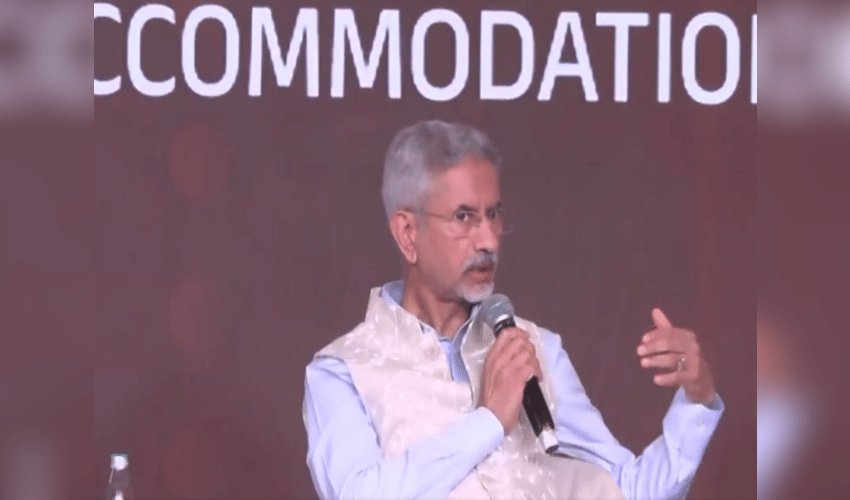

Subrahmanyam Jaishankar said that the age when a few powerful countries could strike sweeping deals that shaped global politics has come to an end, stressing that a multipolar world is now an irreversible reality. Speaking at the Raisina Dialogue, India’s External Affairs Minister explained that the idea of the Global South is rooted in shared historical experiences and common challenges faced by many developing nations. He pointed to India’s actions during the COVID-19 pandemic as a clear example of this solidarity. Even while managing its own vaccination drive, India supplied vaccines to several countries across the Global South. According to Jaishankar, this demonstrated that the concept is not merely theoretical but reflects genuine cooperation and emotional connection among nations with similar historical journeys.
Jaishankar also noted that the traditional unity associated with the Global West appears to be evolving. In the past, the term reflected strong cultural, political and strategic alignment among Western countries. However, he observed that there are now visible differences and shifts within that grouping, suggesting that global alliances are gradually changing.
Highlighting broader structural changes in international relations, Jaishankar said the world has moved beyond a system where a handful of dominant powers determined outcomes for everyone else. Instead, a more distributed balance of power is emerging. While major countries may still form temporary partnerships or limited agreements on specific issues, he argued that the era of comprehensive “big deals” imposed on the rest of the world is effectively over.
He further said that multipolarity does not necessarily undermine multilateral cooperation. According to him, multilateralism can coexist with a multipolar world, but its success should not depend on weakening the influence of emerging powers. Jaishankar concluded that since multipolarity is here to stay, global institutions and cooperation frameworks must adapt to this new reality.



