



Technology
Skyroot to Develop Dedicated Launch Pad After Vikram-1's Orbital Breakthrough
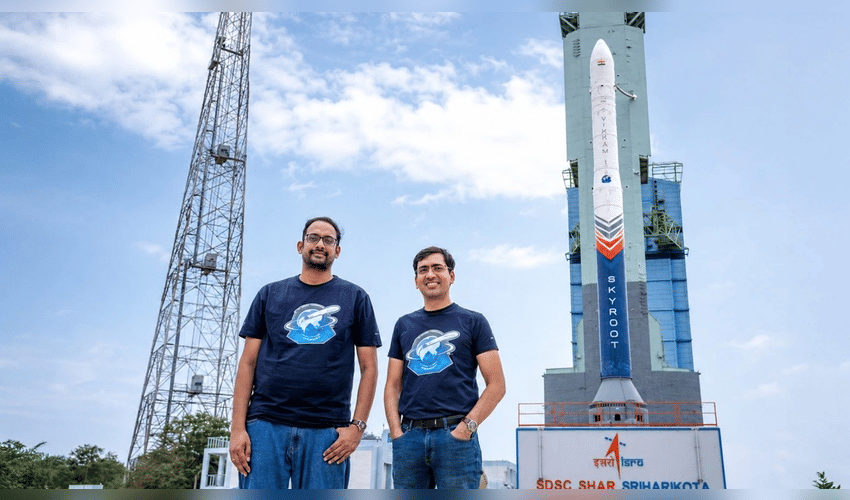

Fresh off the success of its first orbital mission, Skyroot Aerospace is taking the next major step in its growth by planning a dedicated launch pad of its own. The move is expected to reduce dependence on shared launch infrastructure and support a higher number of commercial missions in the coming years.
The announcement follows the successful flight of Vikram-1 "Aagaman," the first privately developed Indian rocket to place payloads into orbit. The mission marked a defining moment for India's private space industry and highlighted the country's growing capabilities in commercial spaceflight. According to company co-founder and CEO Pawan Chandana, Skyroot will continue launching its early missions from ISRO's Satish Dhawan Space Centre in Sriharikota. The company has made it clear that building an independent launch facility is now one of its top priorities as it prepares for a more active launch schedule.
Although the company has not disclosed where the launch complex will be built or when construction will begin, Chandana indicated that more information will be shared once the plans are finalized. He also suggested that the facility is intended to support a significant increase in launch frequency over the next few years.
Having worked closely with ISRO during its initial development phase, Skyroot believes a privately operated launch site will provide greater operational flexibility. A dedicated launch pad would allow the company to plan missions on its own schedule instead of coordinating with other users of government-owned facilities, helping reduce delays and improve turnaround times.
The success of Vikram-1 has already established a major milestone for India's space ecosystem. The rocket successfully delivered multiple payloads, including commercial satellites and technology demonstration missions, making Skyroot the first Indian private company to achieve an orbital launch.
Powering the mission was the Kalam-1200 first-stage motor, named in tribute to former President and renowned aerospace scientist Dr. A.P.J. Abdul Kalam. The launch represented not only a technological achievement but also a significant step toward expanding India's role in the global commercial space industry. Skyroot's decision to invest in its own launch infrastructure reflects the rapid transformation of India's private space sector following regulatory reforms that opened greater opportunities for non-government companies.
The Hyderabad-based startup, which became India's first space-tech unicorn with a valuation exceeding $1 billion, is positioning itself as a major player in the fast-growing small satellite launch market. Alongside expanding its manufacturing capabilities, the company is shifting its focus from technology validation to regular commercial launch services.
Experts believe launch infrastructure is one of the biggest constraints facing the global space industry. A dedicated launch complex could enable Skyroot to offer more frequent and flexible launch opportunities, making access to space easier for satellite operators while improving cost efficiency. The company's long-term roadmap extends beyond Vikram-1. Future plans include additional missions under the Vikram series and the development of Vikram-2, a more powerful launch vehicle expected to feature an advanced cryogenic propulsion system for heavier payloads.
With investor interest continuing to grow and total funding surpassing $600 million, Skyroot appears well positioned to expand its international footprint. Its planned launch pad is expected to become a key asset in supporting larger-scale commercial operations and strengthening India's presence in the global space economy.



