



Economy
Sindh has restricted the transport of wheat as Pakistan struggles with increasing food prices.
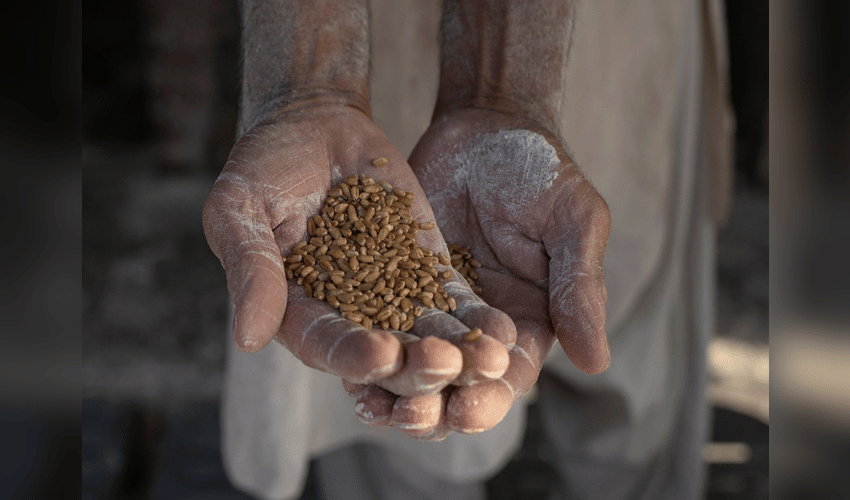

The Sindh government on Thursday banned the inter-provincial transport of wheat as part of efforts to stabilize prices, prevent hoarding, and ensure adequate food availability within the province, The Express Tribune reported. Addressing the media after a cabinet meeting chaired by Chief Minister Syed Murad Ali Shah, Senior Minister Sharjeel Inam Memon said the step was taken due to rising wheat prices and concerns about market supply.
Memon added that the cabinet also approved several reforms and development projects across sectors such as health, education, transport, governance, and infrastructure. Among key decisions, Rs 338.8 million was approved for development projects in Sukkur, along with Rs 916.14 million allocated for food and diet arrangements in prisons. The Sukkur package includes upgrades to the Shaheed Mohtarma Benazir Bhutto Wellness and Recreational Park and the establishment of a women’s section at the Mir Masoom Shah Library, according to The Express Tribune.
In healthcare, the cabinet approved the Jinnah Postgraduate Medical Centre (JPMC) and National Institute of Child Health (NICH) Operations and Management Act 2025, placing both institutions under a formal provincial legal structure. The law introduces standardized hiring processes, performance-based accountability, and improved federal-provincial coordination.
The cabinet also approved extending the EPADS procurement system for medicines, vaccines, oncology drugs, and emergency health supplies through fiscal year 2026–27, along with planning for the next procurement cycle. A centralized Sindh Postgraduate Residency Policy 2026 was approved, introducing a unified entry test and merit-based admissions for 3,794 training seats with a budget of Rs 4.739 billion.
Memon noted that over 10 autism centers have been set up in the province and said the federal government has requested Sindh’s help in establishing a similar facility in Islamabad. In transport, the cabinet approved handing over the delayed BRT Red Line Lot-2 project to the Frontier Works Organization (FWO) under a government-to-government arrangement to accelerate progress.
Other decisions included allocating land for a tide gauge station at French Beach, allowing a 15-day relaxation in the annual fishing ban to support fishermen, and transferring the SBOSS platform to the Sindh IT Company to improve digital governance. Further approvals covered amendments to technical education laws under STEVTA, expansion of IBA Karachi’s mandate to set up campuses nationwide, and women-focused initiatives such as free training programs and distribution of pink scooters.
On constitutional matters, Memon said consultations on the proposed 28th Amendment have not yet begun at the federal level, and Sindh will review any proposal once officially received. He also said the Qayyumabad-to-KPT bridge project is expected to be completed within two years to improve Karachi’s connectivity.



