



News
Shashi Tharoor expresses disappointment as Pakistan-not India-takes the lead in mediating US-Iran peace talks.
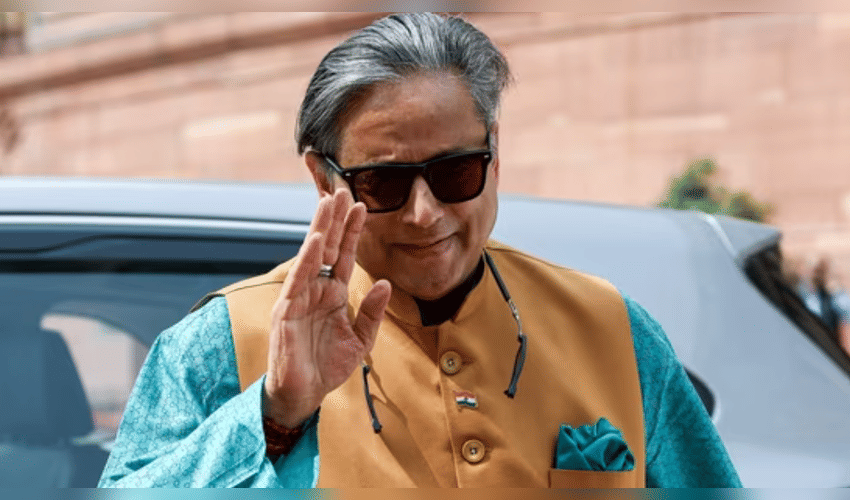

Congress MP Shashi Tharoor has publicly expressed frustration over reports that Pakistan, rather than India, is taking a leading role in mediating between the United States and Iran amid escalating tensions in the Middle East. The veteran parliamentarian, known for his expertise in international relations, described the development as "embarrassing for all of us," questioning why New Delhi appears sidelined in what could be a pivotal diplomatic moment.
Tharoor's remarks come on the heels of emerging details about potential backchannel talks hosted in Islamabad, with Pakistan collaborating alongside Turkey and Egypt. Initially supportive of the Modi government's cautious stance on the US-Iran conflict, Tharoor had anticipated India would leverage its strong ties with both nations to emerge as a key broker. "I can't be happy about that," he stated, highlighting India's historical position as a neutral player with deep economic links to Iran via oil imports and strategic partnerships with Washington.
The Congress leader's critique underscores broader concerns about India's foreign policy priorities. With the US-Iran standoff driving up global energy prices and threatening regional stability, Tharoor argued that India—often positioned as a rising global power—should assert a more prominent role. He pointed to past successes, such as India's involvement in the 2023 Russia-Ukraine grain corridor negotiations, as evidence of its mediation credentials.
Pakistan's unexpected prominence draws parallels to its 1970s facilitation of US-China rapprochement, a move that bolstered its international standing. Under the Trump administration, renewed Indo-Pak warmth could further elevate Islamabad's profile, leaving India to contend with perceptions of missed opportunities in West Asia.
Tharoor urged the government to adopt a "leading stand" in peace efforts, emphasizing India's unique vantage point amid shifting alliances. As discussions gain momentum in early 2026, his comments have sparked debate on whether quieter diplomacy is yielding results or allowing rivals to fill the void. For now, the situation remains fluid, with potential talks in Pakistan carrying high stakes for South Asian geopolitics and global energy markets.



