



World
Pakistan's Trump Gamble: A Lesson in the Risks of Personality-Driven Diplomacy
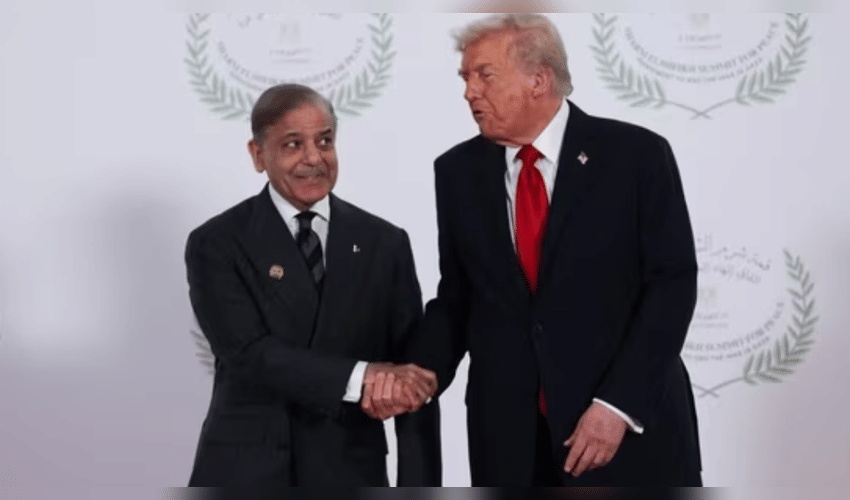

Pakistan's recent diplomatic experience with U.S. President Donald Trump has underscored the challenges of relying too heavily on personal ties in international relations, as shifting priorities in Washington appear to have left Islamabad with fewer gains than expected. Over the past several months, Pakistani officials had sought to strengthen engagement with the Trump administration, hoping closer cooperation would enhance the country's diplomatic relevance and create new opportunities on key regional issues. The effort initially appeared successful, with Pakistan receiving increased attention from Washington and being viewed as a potential partner in discussions involving broader regional stability.
However, developments surrounding U.S. foreign policy in the Middle East have highlighted the limits of that strategy. Analysts say Pakistan anticipated a more significant role in ongoing diplomatic efforts, only to find itself on the sidelines as major decisions were made through alternative channels. The situation has reinforced a long-standing lesson in international affairs: personal rapport between leaders can open doors, but national interests ultimately drive foreign policy decisions.
Trump's leadership style has often been characterized by abrupt policy shifts and unconventional diplomatic moves. While such an approach can create opportunities for countries seeking closer engagement with the United States, it can also result in uncertainty when priorities change unexpectedly. Political observers note that Pakistan is not the first country to encounter difficulties navigating Trump's unpredictable decision-making process. Several U.S. allies and partners have experienced similar challenges during periods when Washington recalibrated its strategic objectives.
Experts argue that Islamabad may now place greater emphasis on institutional diplomacy rather than relying on relationships with individual leaders. Strengthening economic cooperation, expanding regional partnerships and maintaining engagement through established diplomatic channels are seen as more sustainable approaches in the long run.
The episode comes at a time when geopolitical alignments are evolving rapidly across Asia and the Middle East. For Pakistan, maintaining balanced relations with major global powers while protecting its strategic interests remains a key foreign policy objective. As international dynamics continue to shift, analysts believe the recent experience serves as a reminder that diplomatic influence is most effective when built on long-term national interests rather than expectations tied to a single political figure. While Pakistan and the United States continue to maintain formal relations, recent developments have demonstrated the uncertainties that can arise when diplomacy becomes closely linked to the changing priorities of an unpredictable administration.



