



Asia In News
Pakistan Minister Under Fire in New Delhi Over Terrorism, Urges India to Resume Dialogue
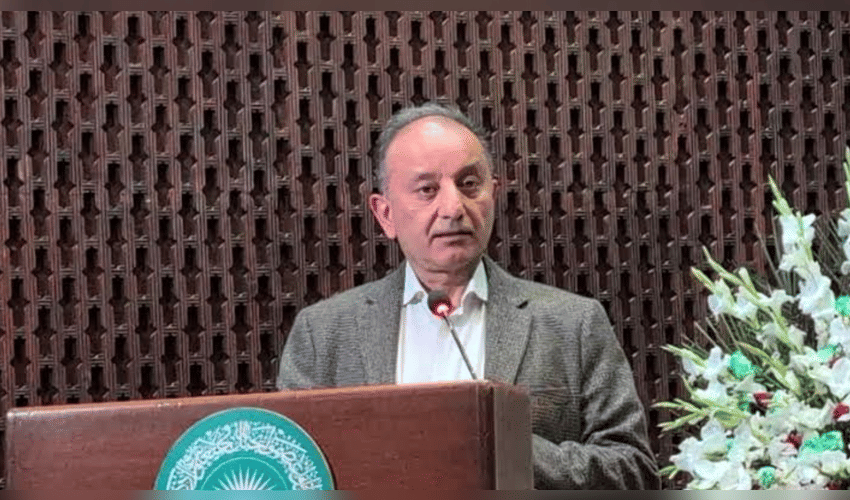

Pakistan's Climate Change Minister Musadik Masood Malik faced questions over terrorism and Islamabad's accountability during his visit to New Delhi, as he called for renewed dialogue between India and Pakistan to address longstanding bilateral differences. Malik was in the Indian capital from November 20 to 22 to attend the first Shanghai Cooperation Organisation (SCO) Civilisational Dialogue Forum. His visit marked a significant diplomatic engagement between the two neighbouring countries amid continuing tensions over cross-border terrorism.
During his interactions with the media, Malik advocated discussions through bilateral and multilateral platforms, arguing that terrorism was a regional challenge requiring cooperation and evidence-based investigations. He also proposed establishing a mechanism through which India and Pakistan could exchange information and evidence related to terrorism.
However, his remarks came against the backdrop of India's longstanding concerns over terrorist organisations allegedly operating from Pakistani territory. New Delhi has repeatedly urged Islamabad to take concrete action against groups accused of planning and supporting attacks in India. Responding to questions about terrorism, Malik acknowledged that India had suffered terrorist attacks but emphasised that Pakistan had also faced significant losses due to extremist violence. He claimed that thousands of Pakistani citizens had been killed in terrorism-related incidents.
The Pakistani minister maintained that the issue should be addressed through evidence and cooperation rather than political accusations. He also suggested that international platforms could play a role in facilitating discussions between the two countries. His remarks, however, did not directly resolve India's concerns regarding Pakistan's alleged support for cross-border militant activities.
The visit comes amid heightened tensions following the April 2025 Pahalgam terror attack in Jammu and Kashmir, in which 26 people were killed. India subsequently accused Pakistan of supporting cross-border terrorism, a charge Islamabad has denied. Following the attack, India announced that the Indus Waters Treaty would remain in abeyance until Pakistan credibly and irrevocably ended its support for cross-border terrorism. During Malik's visit, India's Ministry of External Affairs spokesperson Randhir Jaiswal reiterated New Delhi's position on the treaty, indicating that there had been no change in the government's stance.
Malik also highlighted the importance of historical and cultural connections between India and Pakistan, suggesting that civilisational exchanges could help improve mutual understanding despite political disagreements. The SCO forum provided an opportunity for representatives from member countries to discuss cultural cooperation, shared heritage and regional engagement. However, Pakistan's participation in the event did not signal any immediate breakthrough in bilateral relations.
India has consistently maintained that dialogue with Pakistan cannot progress meaningfully without addressing the issue of cross-border terrorism. New Delhi has called for verifiable action against terrorist organisations and accountability for individuals involved in attacks targeting Indian citizens. Malik's appeal for renewed discussions has once again brought the possibility of India-Pakistan engagement into focus. However, significant differences remain, with terrorism continuing to be the principal obstacle to normalising relations between the two countries.
Disclaimer: This image is taken from Indian Defence News.