



Asia In News
Pakistan and China have put forward a five-point proposal aimed at promoting peace in the Middle East.
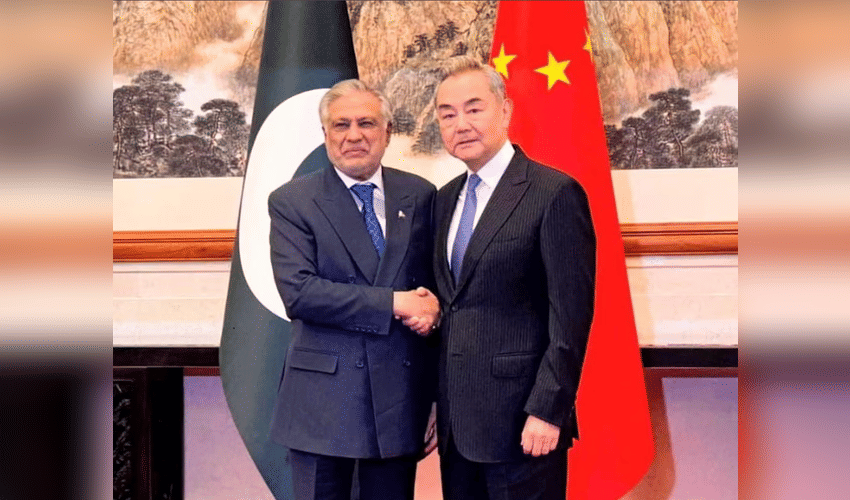

Pakistan and China have jointly introduced a five-point peace proposal for the Middle East after Pakistan’s foreign minister, Ishaq Dar, traveled to Beijing to seek support for Islamabad’s struggling efforts to help end the war. He met with China’s foreign minister, Wang Yi, as Pakistan continued positioning itself as a mediator between the United States and Iran despite ongoing hostilities.
China stated that the visit aimed to strengthen coordination with Pakistan on the Iran conflict and contribute further to peace efforts. While Beijing has strong ties with Tehran and remains a major importer of Iranian oil, it has largely kept a neutral stance—condemning initial US and Israeli strikes but focusing mainly on urging a ceasefire and ensuring safe passage for its oil shipments through the Strait of Hormuz.
Following the meeting, both countries called for an immediate ceasefire and the protection of key waterways, including the strategically vital strait, while emphasizing that dialogue and diplomacy are the only practical solutions. However, there has been little real progress in bringing the main parties together. Donald Trump claimed talks with Iran were progressing well, though Tehran denied any direct negotiations.
Pakistan has recently intensified efforts to broker peace, even proposing Islamabad as a venue for talks. Prime Minister Shehbaz Sharif and army chief Syed Asim Munir have been engaging with global leaders, including Trump and Iranian president Masoud Pezeshkian, facilitating indirect communication between the opposing sides.
Islamabad also hosted regional discussions involving Saudi Arabia, Turkey, and Egypt, although the absence of the US and Iran weakened the impact of those talks. Analysts believe Pakistan’s active diplomatic role reflects its desire to reassert itself as an influential regional power after years of reduced engagement with Washington.
At the same time, Pakistan has strong domestic and economic reasons to seek de-escalation. The conflict has disrupted fuel and gas supplies through the Strait of Hormuz, affecting its economy. Its long border with Iran raises concerns about spillover into volatile regions like Balochistan, while sectarian tensions could rise given its large Shia population. Additionally, Pakistan’s defense ties with Gulf countries could risk drawing it further into the conflict. Pakistan’s push for peace is driven by both strategic ambitions and urgent security and economic concerns, as prolonged instability in Iran could significantly impact the country’s internal stability and regional position.



