



News
Opposition Launches Protest Against Special Parliament Session, Calls It an 'Attack' on the Constitution
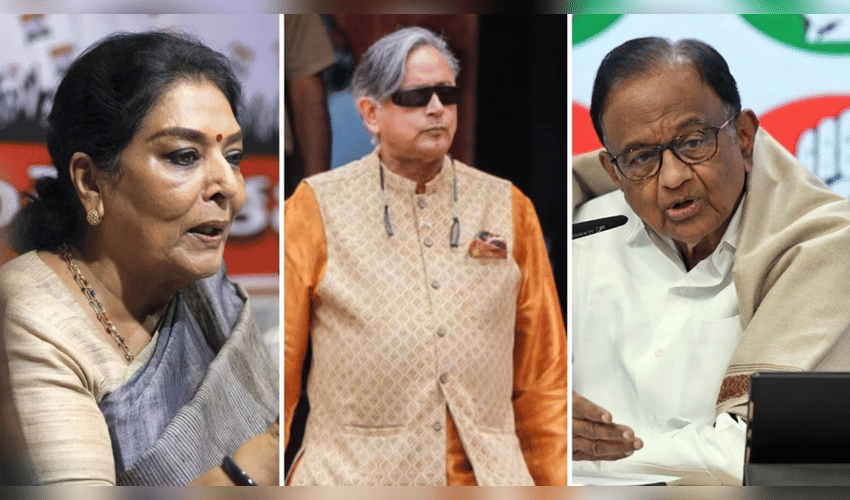

Political tensions have intensified between the government and opposition parties following the Centre's decision to convene a special sitting of Parliament from November 30 to December 3. Opposition leaders have questioned the timing and purpose of the sitting, alleging that the government may use the proceedings to push controversial constitutional changes linked to delimitation and women's reservation. Congress leaders have strongly criticised the move, arguing that major constitutional matters should not be rushed through Parliament without adequate consultation and debate. Some opposition representatives have described the proposed exercise as an assault on constitutional principles and democratic safeguards.
The special sitting is expected to bring renewed attention to the proposed expansion of the Lok Sabha and the implementation of the 33 per cent women's reservation in legislative bodies. Congress general secretary Jairam Ramesh accused the government of attempting to revive the Constitution (131st Amendment) Bill, 2026, after the earlier proposal failed to secure the required support in Parliament in April. He questioned the government's intentions and alleged that it was trying to gather the numbers needed to pass the legislation.
Congress MP Manish Tewari also raised concerns over the decision to convene a short special sitting instead of holding a regular Winter Session. He argued that the government should explain why the proposed legislative business could not be taken up during the regular parliamentary session. The controversy is closely connected to the Women's Reservation Act, passed by Parliament in 2023. The legislation provides for reserving one-third of seats for women in the Lok Sabha and state legislative assemblies. However, its implementation is linked to a future Census and delimitation exercise.
Opposition parties have argued that women's reservation should be implemented without waiting for a major restructuring of parliamentary constituencies. Several leaders have questioned the government's decision to link the issue with an expansion of the Lok Sabha. Another major point of disagreement is the proposed delimitation exercise, which involves redrawing constituency boundaries and determining parliamentary representation based on population-related criteria.
Political parties from southern India have expressed concerns that population-based delimitation could affect their relative representation in Parliament. They argue that states which have successfully controlled population growth should not be disadvantaged when parliamentary seats are redistributed. Union Home Minister Amit Shah has defended the government's proposal, maintaining that expanding the Lok Sabha to 850 seats would accommodate additional representation while protecting the share of southern states. He has also accused the Congress of delaying the implementation of women's reservation.
Opposition leaders, however, remain unconvinced and have demanded greater clarity on the proposed changes. They argue that the government must provide details about the seat-allocation formula and ensure that all states receive fair representation. The debate has also drawn reactions from other opposition parties. CPI(M) leader John Brittas has raised concerns about the political implications of the proposed changes, while Congress MP Shashi Tharoor has emphasised the importance of protecting democratic institutions and national unity.
Under Article 368 of the Constitution, constitutional amendments require a majority of the total membership of each House of Parliament and at least two-thirds of members present and voting. The government will therefore need substantial parliamentary support to secure the passage of any constitutional amendment. With Parliament set to reconvene on November 30, the proposed sitting is expected to witness intense political discussions over delimitation, women's representation and the constitutional framework governing parliamentary elections. The coming days could prove significant for the government's legislative agenda, as opposition parties prepare to challenge proposals they believe could affect the balance of political representation and the functioning of India's democratic institutions.
Disclaimer: This image is taken from Hindustan Times.