



World
Oman Proposes Gulf-Backed Plan for Strait of Hormuz, Offers Iran Role in Managing Key Waterway
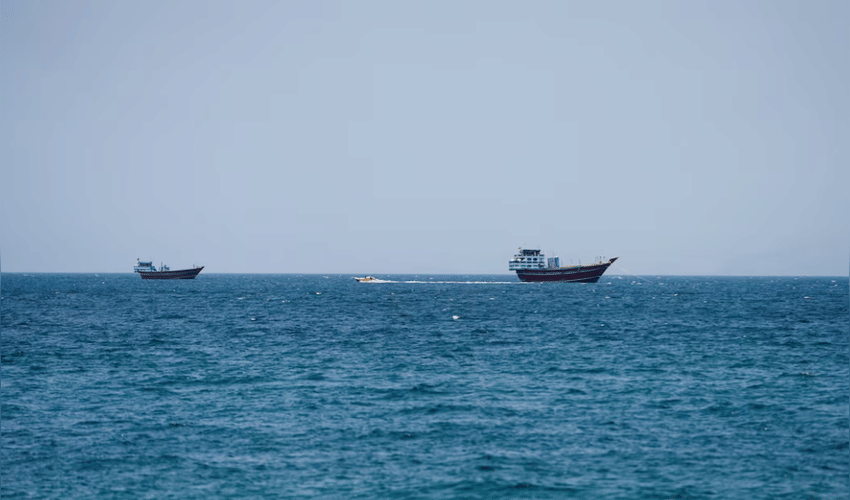

Oman has proposed a new regional framework to manage the strategically important Strait of Hormuz, suggesting a system of voluntary fees from ships passing through the waterway as part of efforts to reduce tensions and restore stability to global energy trade. The proposal has received backing from Gulf countries and aims to create a shared management mechanism instead of giving Iran complete control over the route.
The Strait of Hormuz, located between Iran and Oman, is one of the world’s most critical maritime passages. A large portion of global oil and liquefied natural gas shipments move through this narrow channel, making any disruption a major concern for energy markets and international trade. According to sources familiar with the discussions, Oman presented the proposal to Iranian officials as a possible solution to the ongoing dispute over control and security of the waterway. Under the plan, Iran would have a role in managing navigation, but it would not receive exclusive authority over the strait.
The proposed payment system would be based on voluntary contributions from shipping companies rather than compulsory charges. The funds could be used for maritime services such as navigation assistance, environmental protection and search-and-rescue operations, similar to voluntary arrangements used in other important waterways.
Oman’s initiative comes amid heightened tensions in the Gulf region, where concerns over shipping disruptions have increased following military confrontations involving Iran and Western powers. The proposal is being viewed as an attempt by Muscat to use its long-standing diplomatic ties with both Iran and Arab Gulf states to find a middle path.
Iran has historically maintained that countries bordering the Strait of Hormuz should have a major say in its management because of the waterway’s strategic location. Tehran has also opposed returning to the previous system of unrestricted passage without addressing what it considers regional security concerns. Gulf countries have been cautious about allowing Iran sole control over the strait, fearing that such an arrangement could give Tehran excessive influence over one of the world’s most important energy routes. Oman’s proposal attempts to balance these concerns by introducing a cooperative regional structure.
The United States and some other international players have traditionally opposed any mandatory fees or restrictions on vessels using the Strait of Hormuz, arguing that the waterway must remain open for international navigation. For global markets, the future of the Strait of Hormuz remains a major issue. Any agreement that ensures safe passage could help stabilize oil prices, reduce shipping risks and provide relief to countries dependent on Gulf energy supplies.
The success of Oman’s proposal, however, will depend on whether Iran, Gulf nations and international powers can agree on questions of sovereignty, security and the practical implementation of the new system. While the initiative represents a fresh diplomatic effort, significant differences remain over who should ultimately control one of the world’s most vital maritime chokepoints.



