



Economy
Oil prices jumped almost 3 percent after the US deployed a naval force toward Iran and imposed fresh sanctions.
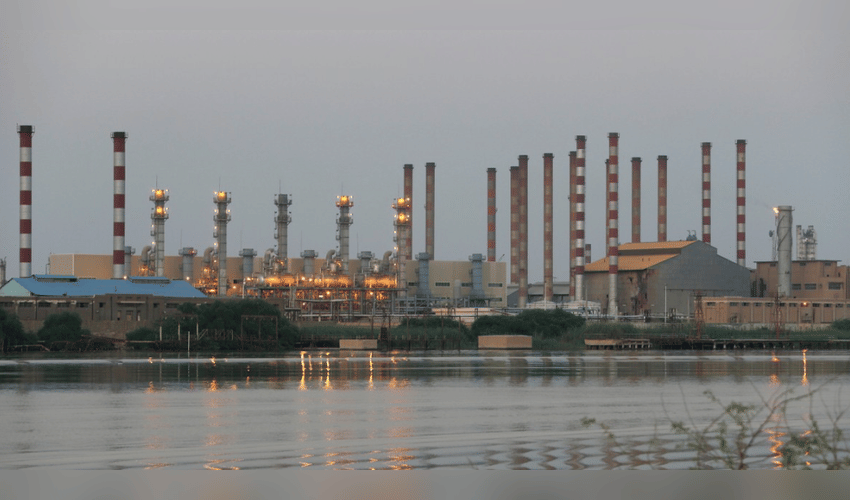

Oil prices ended Friday at their highest level in more than a week as US President Donald Trump intensified pressure on Iran by announcing new sanctions on ships carrying Iranian oil and confirming that a US naval force was moving toward the region. Brent crude rose by about 2.8 percent to settle at 65.88 dollars per barrel, its highest close since January 14. US West Texas Intermediate gained nearly 2.9 percent to finish at 61.07 dollars per barrel, also a one week high. Both benchmarks recorded weekly gains of more than 2.5 percent.
Trump’s remarks revived warnings to Tehran against harming protesters or reviving its nuclear programme, increasing fears of possible oil supply disruptions in the Middle East. These concerns were compounded by ongoing production issues in Kazakhstan, where output has yet to fully recover at one of the world’s largest oilfields. A US official said that warships, including an aircraft carrier and guided missile destroyers, are expected to reach the Middle East in the coming days. The United States had previously carried out strikes on Iran last June. The US Treasury announced sanctions on nine vessels and eight companies involved in the transport of Iranian oil and petroleum products.
Iran produces roughly 3.2 million barrels per day, making it the fourth largest crude producer within OPEC, after Saudi Arabia, Iraq and the United Arab Emirates. It is also a key supplier to China, the world’s second largest oil consumer. Chevron stated that production at Kazakhstan’s Tengiz oilfield remains suspended after a fire led the operator to shut operations earlier in the week. The situation has worsened existing challenges for Kazakhstan’s oil sector, including export bottlenecks at its main Black Sea terminal, which has been damaged by drone attacks.
JP Morgan said the Tengiz field, which contributes nearly half of Kazakhstan’s oil output, could stay offline for the remainder of the month. The bank expects the country’s January crude production to average between one and 1.1 million barrels per day, well below the normal level of around 1.8 million. Oil prices rose on Trump’s comments regarding Greenland, but fell by around two percent on Thursday after he softened tariff threats against Europe and ruled out military action. Trump later said that Denmark, Nato and the United States had reached an agreement granting full access to Greenland.



