



World
Nations representing the Global Majority declare a collective commitment to safeguarding international security.
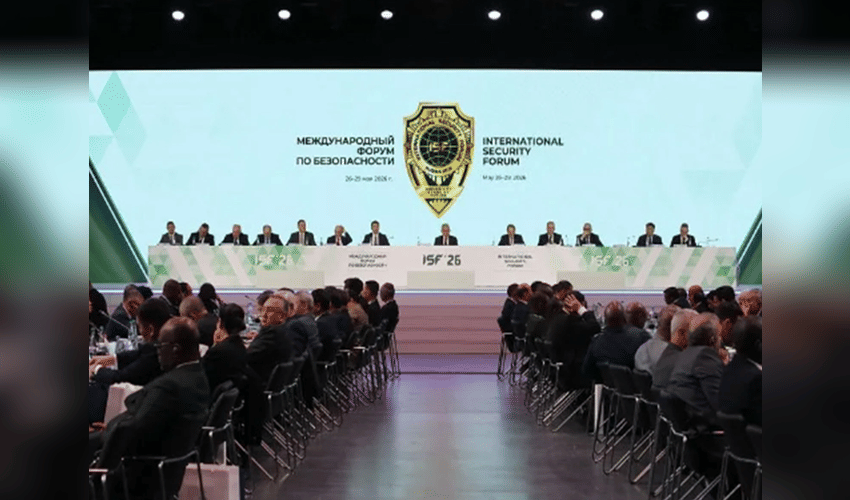

Representatives from leading nations across the Global South and East have urged enhanced international cooperation, broader participation in global governance, and a united response to emerging security threats at the 14th International Meeting of High Representatives Responsible for Security Issues in the Moscow Region.
According to TV BRICS, the event, held within the framework of the International Security Forum, gathered senior security officials and policymakers from Russia, China, India, South Africa, Brazil, Kazakhstan, Vietnam, and several other countries. Discussions focused on changes in the global order, technological developments, and the future of international security. A central topic was the increasing influence of developing countries in shaping a multipolar world. Participants stressed the importance of sovereign equality, constructive dialogue among nations, and stronger multilateral institutions to address contemporary challenges.
Opening the meeting, Russian Security Council Secretary Sergey Shoigu called for closer coordination among countries of the Global South and East and reaffirmed support for a stronger role for the United Nations in global affairs. He also highlighted initiatives such as the Greater Eurasian Partnership and a proposed Eurasian security framework, emphasizing the need to avoid geopolitical fragmentation and confrontation.
India’s National Security Advisor Ajit Doval pointed to significant transformations in global politics, economics, and technology. He noted that power is becoming more widely distributed and that emerging economies are seeking greater influence in international decision-making. Doval reiterated India’s call for comprehensive UN reform to improve its representativeness and effectiveness, while also advocating stronger international cooperation against terrorism.
Chinese representative Chen Wenqing reaffirmed China’s support for multilateralism, adherence to international law, and global development initiatives championed by President Xi Jinping. South African Minister in the Presidency Khumbudzo Ntshavheni highlighted the opportunities created by a multipolar world, emphasizing technological innovation, cybersecurity, energy security, and regional economic integration in Africa.
Brazilian Presidential Adviser Celso Amorim argued that multipolarity should not result in rival blocs or spheres of influence. Instead, he said, it should enable countries to diversify partnerships and pursue sustainable development according to their national priorities. Kazakhstan’s Security Council Secretary Gizat Nurdauletov advocated the creation of new international mechanisms addressing water security, digital governance, and the responsible use of artificial intelligence, reflecting growing concerns over emerging global risks. The discussions revealed a shared view among participating countries that long-term global stability will depend on more inclusive institutions, balanced international partnerships, and collective responsibility in responding to increasingly complex security challenges.



