



Technology
Nagpash UAV: India Showcases Airborne Electronic Warfare Jammer to Counter Future Drone Threats
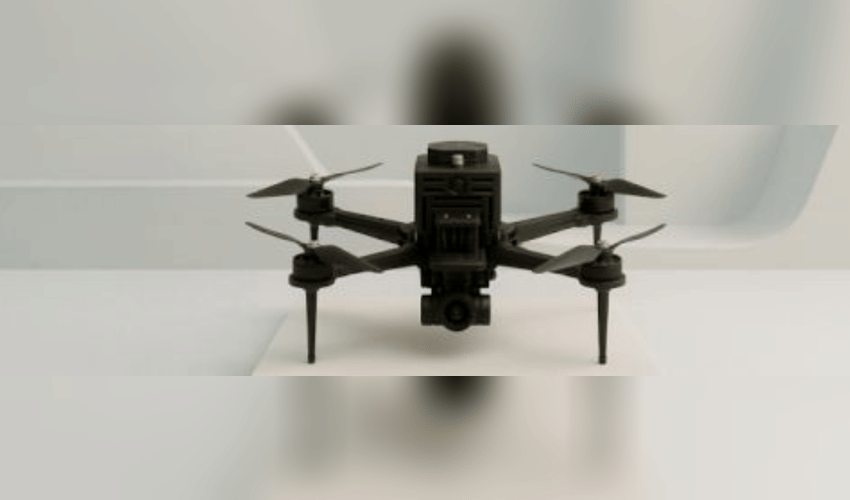

India’s defence technology sector is witnessing a major advancement with the emergence of Nagpaash, an unmanned aerial vehicle (UAV)-based electronic warfare system designed to counter modern drone threats. The system is being described as a next-generation air-to-air electronic warfare jammer, marking a significant shift from conventional ground-based counter-drone technologies.
As drone warfare becomes increasingly important in modern conflicts, militaries across the world are focusing on technologies that can detect, disrupt and neutralise hostile unmanned systems. Nagpaash aims to address this growing challenge by taking electronic warfare capabilities into the air, allowing operators to counter enemy drones from a mobile airborne platform.
The system was showcased as an indigenous defence innovation focused on counter-UAV operations and electronic disruption capabilities. Its development reflects India’s increasing push towards self-reliance in advanced military technologies and the creation of solutions tailored for future battlefield requirements. Electronic warfare has become a critical part of modern military strategy, where controlling communication networks, navigation systems and data links can determine the outcome of operations. Unlike traditional weapons that physically destroy targets, electronic warfare systems can disable enemy platforms by interfering with their ability to communicate, navigate or receive instructions.
Nagpaash is designed around this concept by targeting the electronic connections that allow hostile drones to function. An airborne jammer provides greater flexibility compared with fixed installations because it can move across operational areas, respond quickly to threats and provide coverage where ground-based systems may face limitations. The growing use of drones in conflicts around the world has highlighted the need for advanced counter-drone measures. Small unmanned aircraft can carry out surveillance, gather intelligence and even support attack missions at relatively low costs. Drone swarms, in particular, have emerged as a major challenge because they can overwhelm traditional defence systems through numbers.
An airborne electronic warfare platform like Nagpaash could provide armed forces with an additional layer of protection by disrupting enemy drone operations before they reach their targets. Such systems could prove especially valuable in border security, military bases, strategic installations and high-risk operational zones.
India has been steadily expanding its capabilities in electronic warfare and counter-drone technology. Indigenous defence organisations and private-sector companies have been working on systems that combine detection, tracking and neutralisation technologies to tackle evolving aerial threats. The emergence of Nagpaash also highlights a broader transformation in warfare, where battles are increasingly fought not only in physical domains but also in the electromagnetic spectrum. Future conflicts are expected to rely heavily on artificial intelligence, autonomous platforms, cyber capabilities and electronic dominance.
While detailed technical specifications and deployment plans of Nagpaash have not been publicly disclosed, the system represents an important step in India’s efforts to develop advanced UAV-based defence solutions. As drone threats continue to evolve, technologies focused on electronic warfare are likely to become a key component of modern military operations. With Nagpaash, India is signalling its intent to strengthen its position in next-generation defence technology and prepare for a future where control over communication networks and electronic systems could be as important as conventional firepower.



